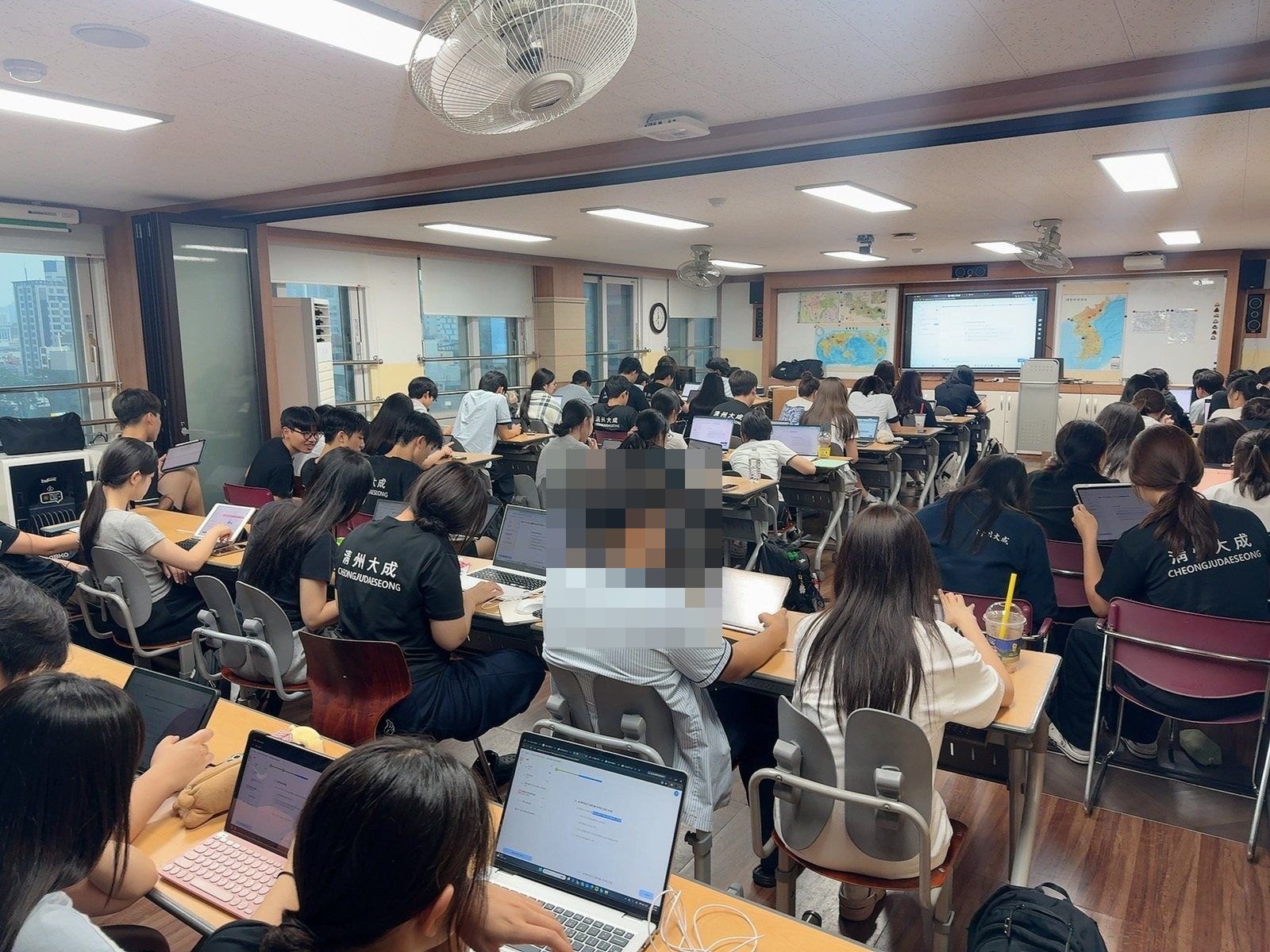
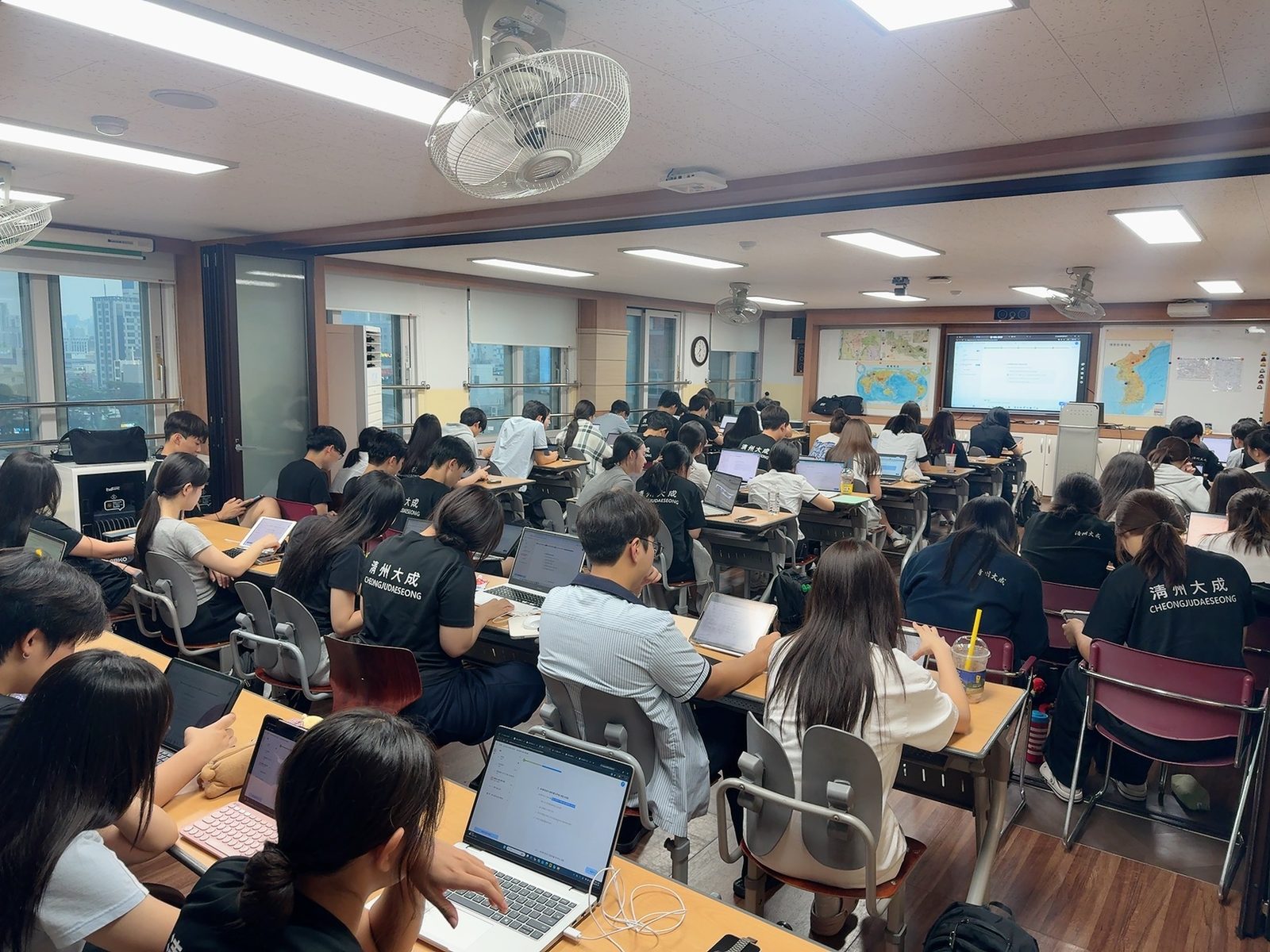
Students seated at laptops during the evening pre-training session in a classroom at Cheongju Daeseong High School

Cheongju Daeseong High School AI HackathonFrom a cancer-treatment game
to semiconductor cooling,
built by high schoolers.

The 77 students at Cheongju Daeseong picked topics nobody assigned them.
Drug delivery systems, HBM cooling, photocatalysts for artificial photosynthesis…
They turned whatever they cared about straight into an app.
Two hours one evening, and the next morning.

School
Cheongju Daeseong High School
Date
Jul 16–172h evening + 5h morning
Participants
0High schoolers · 22 teams
Completed
0 appsevery team published to the gallery
Run by
Bana3 instructors and mentors on site
Overview

Two hours of training in the evening, half a morning to build

Cheongju Daeseong High School held an AI vibe coding hackathon on the evening of Thursday, July 16 and the morning of Friday, July 17, 2026. 77 high school students took part in 22 teams, and three Bana instructors and mentors ran the event on site.

On the first evening, from 7 to 9 PM, students learned AI literacy and vibe coding. The next morning, from 8:30 AM to 1:30 PM, each team built a web app on a topic of its own choosing. The event closed with time to try each other's work.

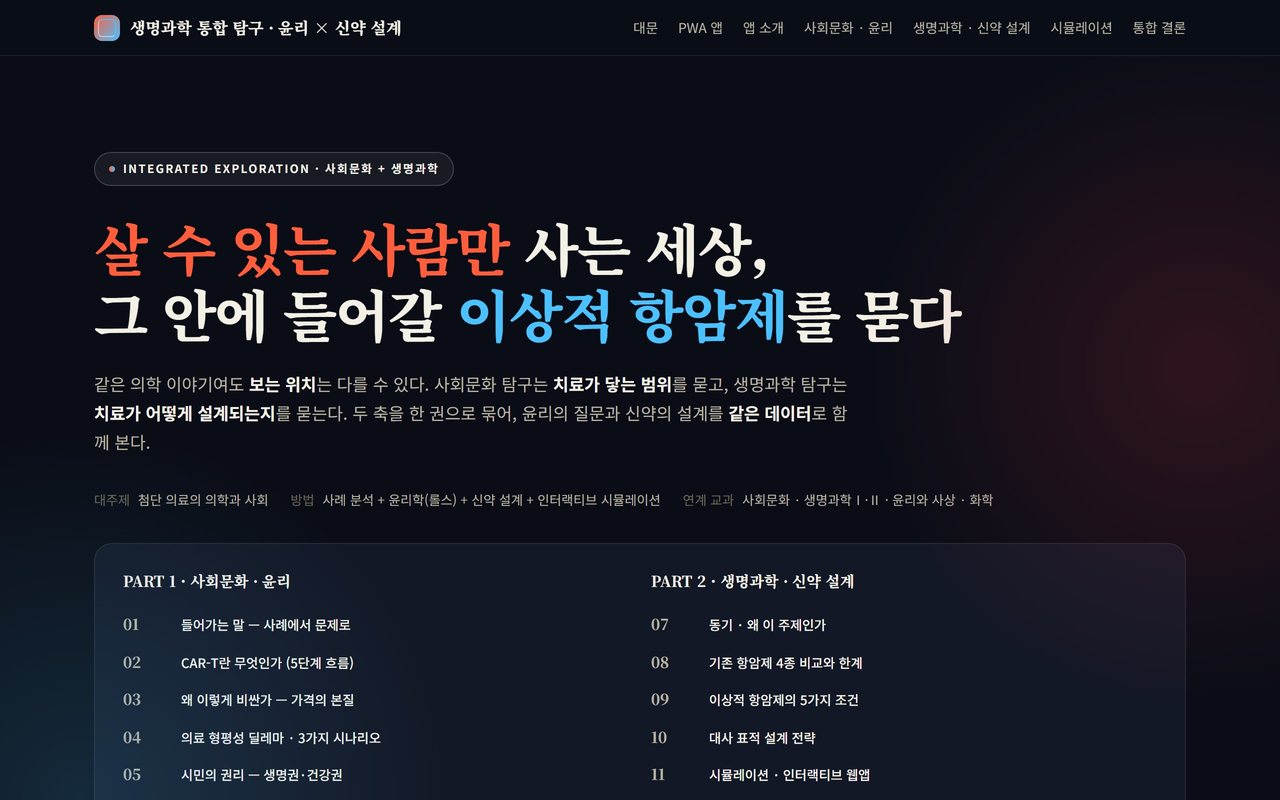
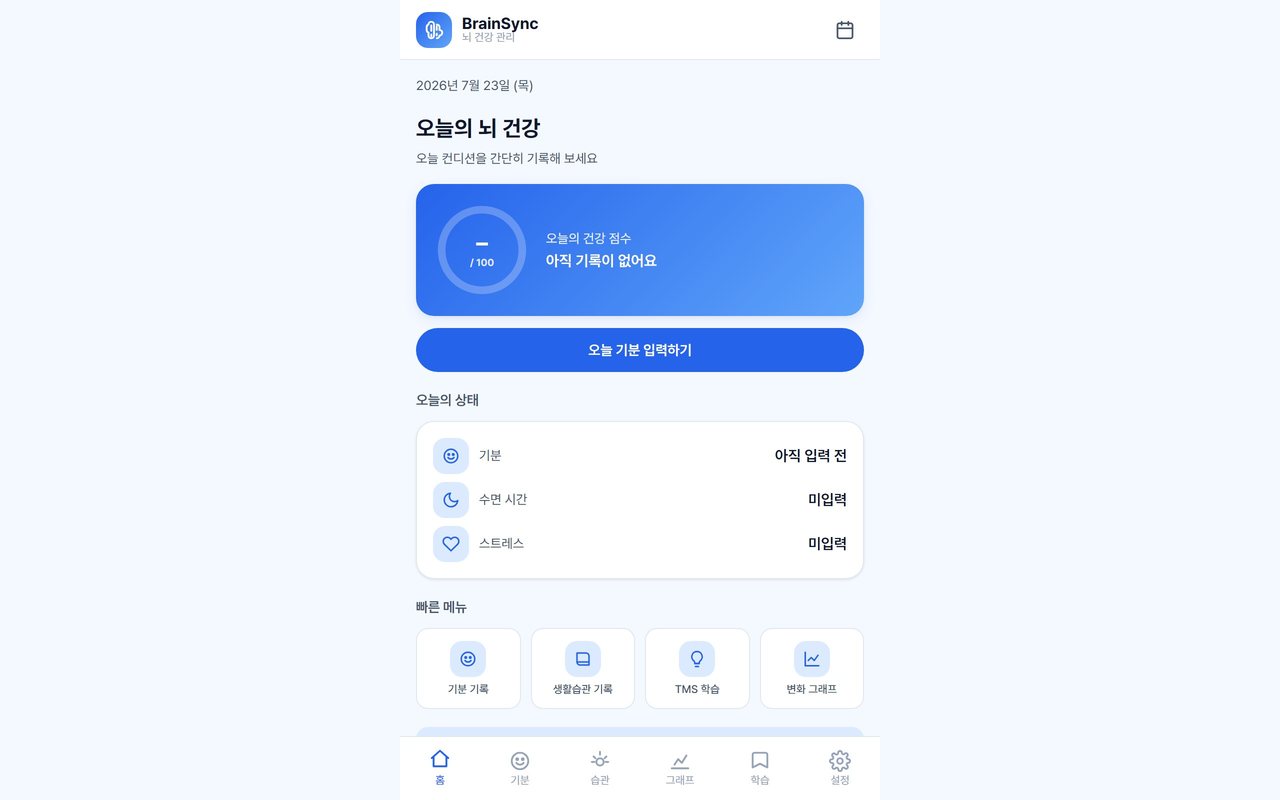
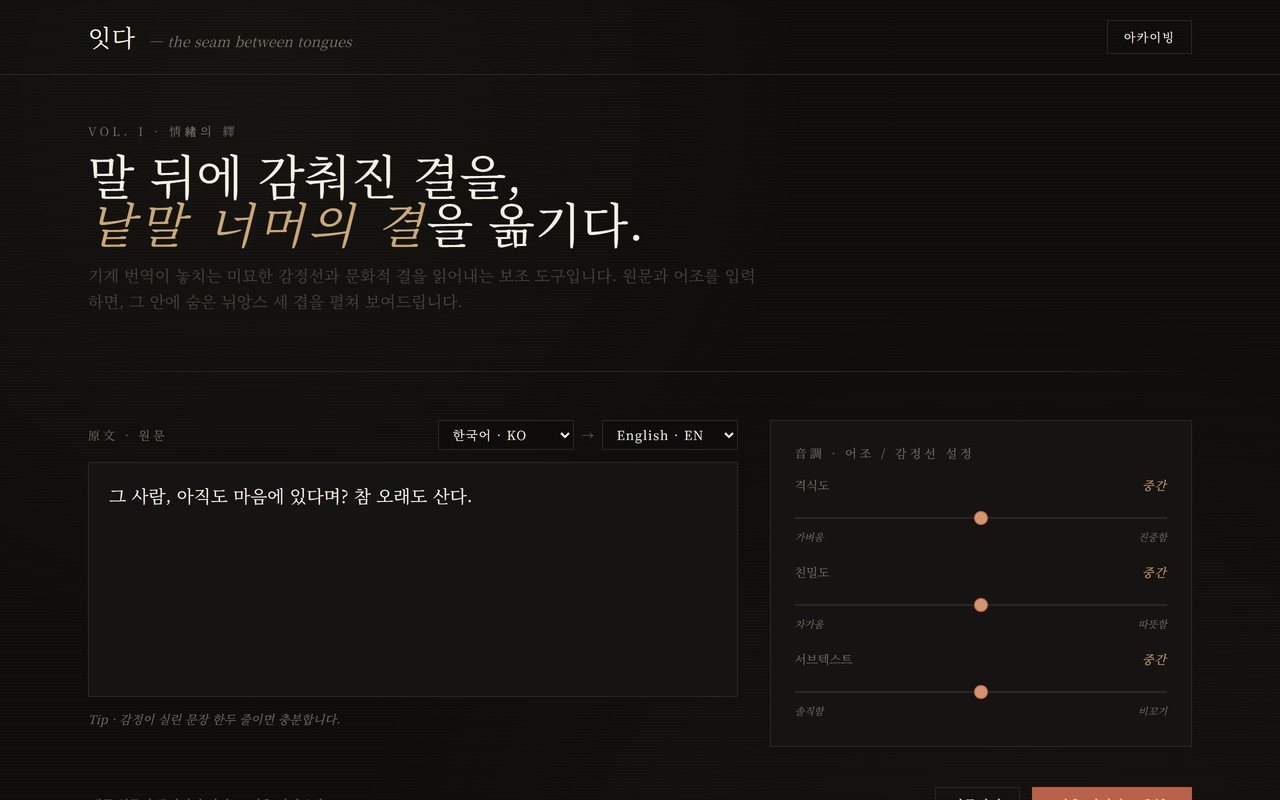
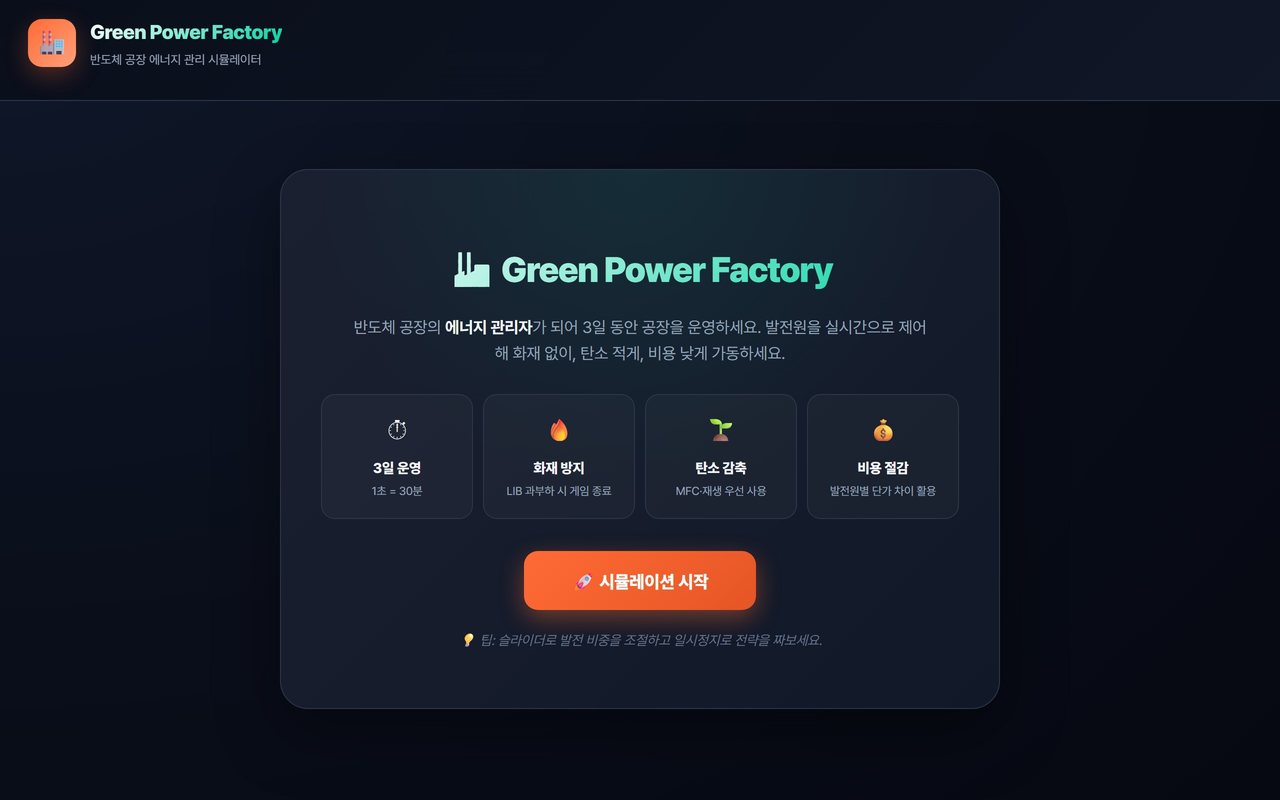
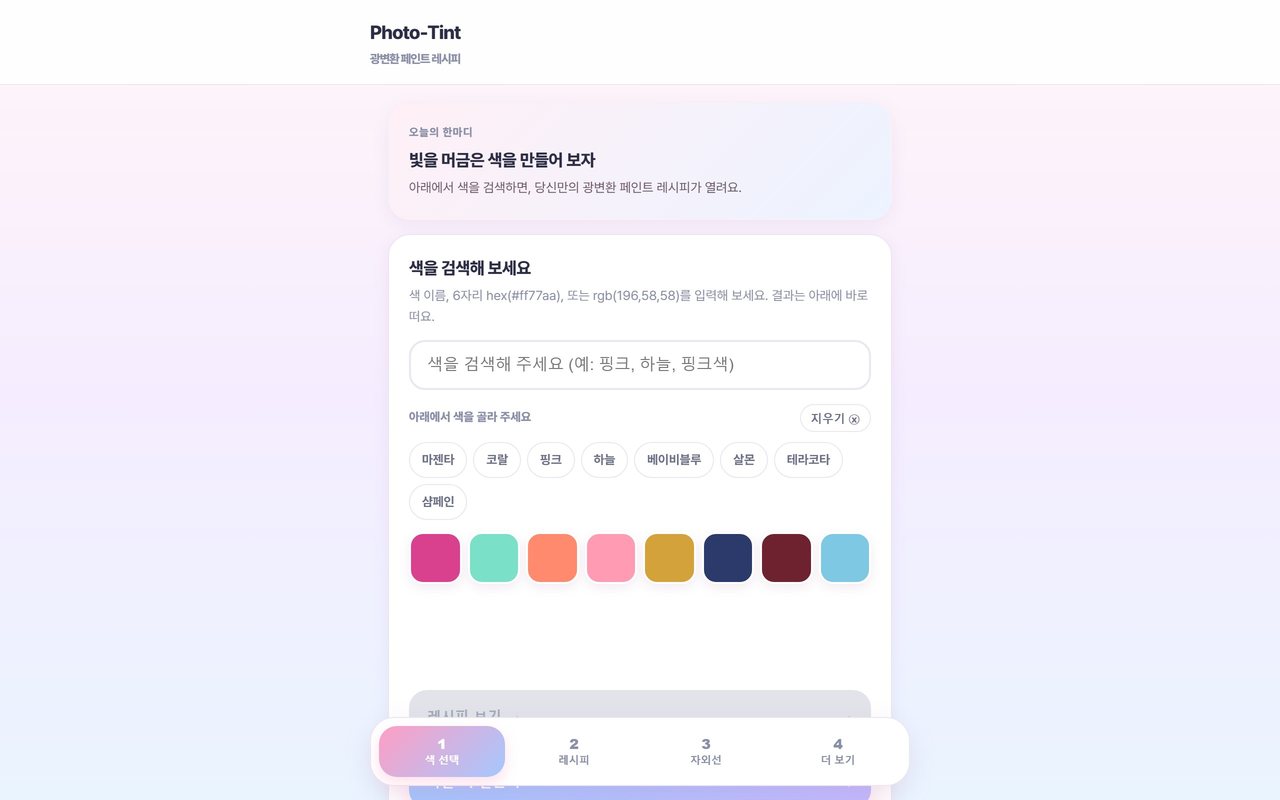
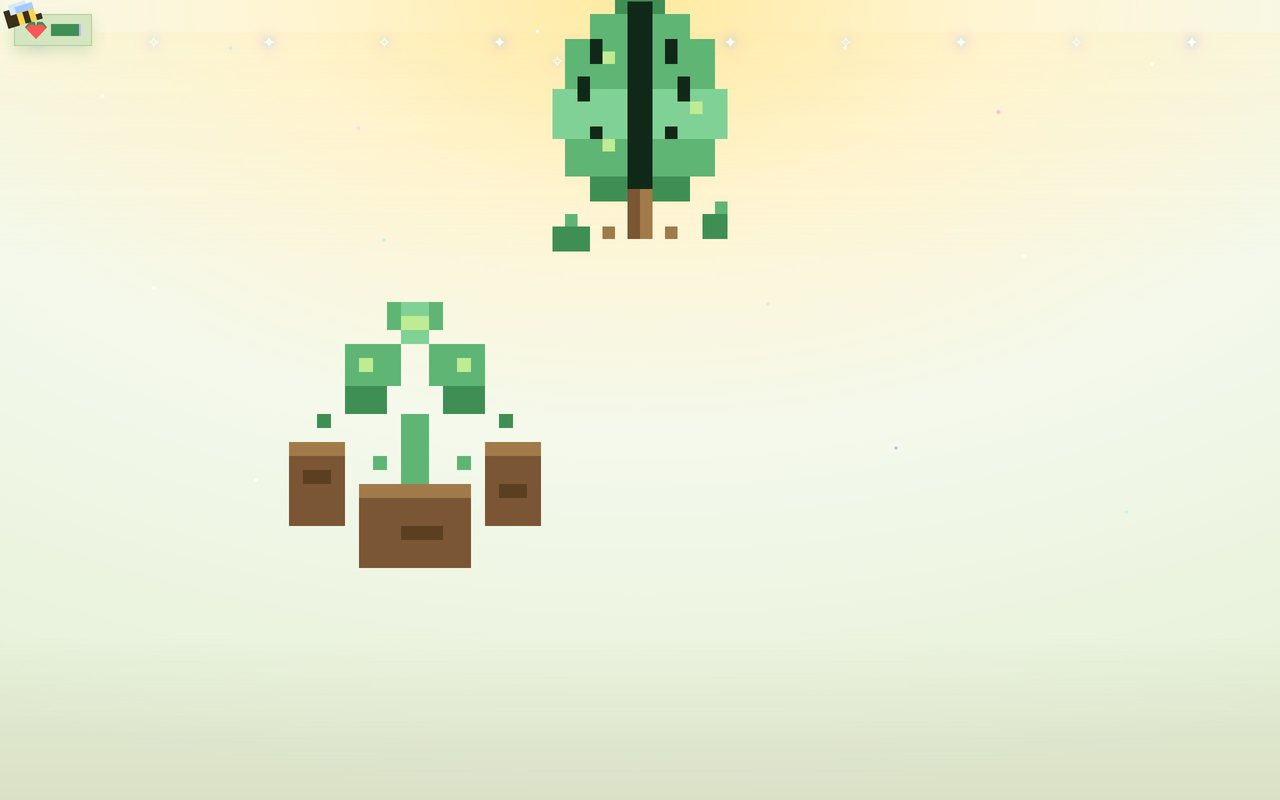
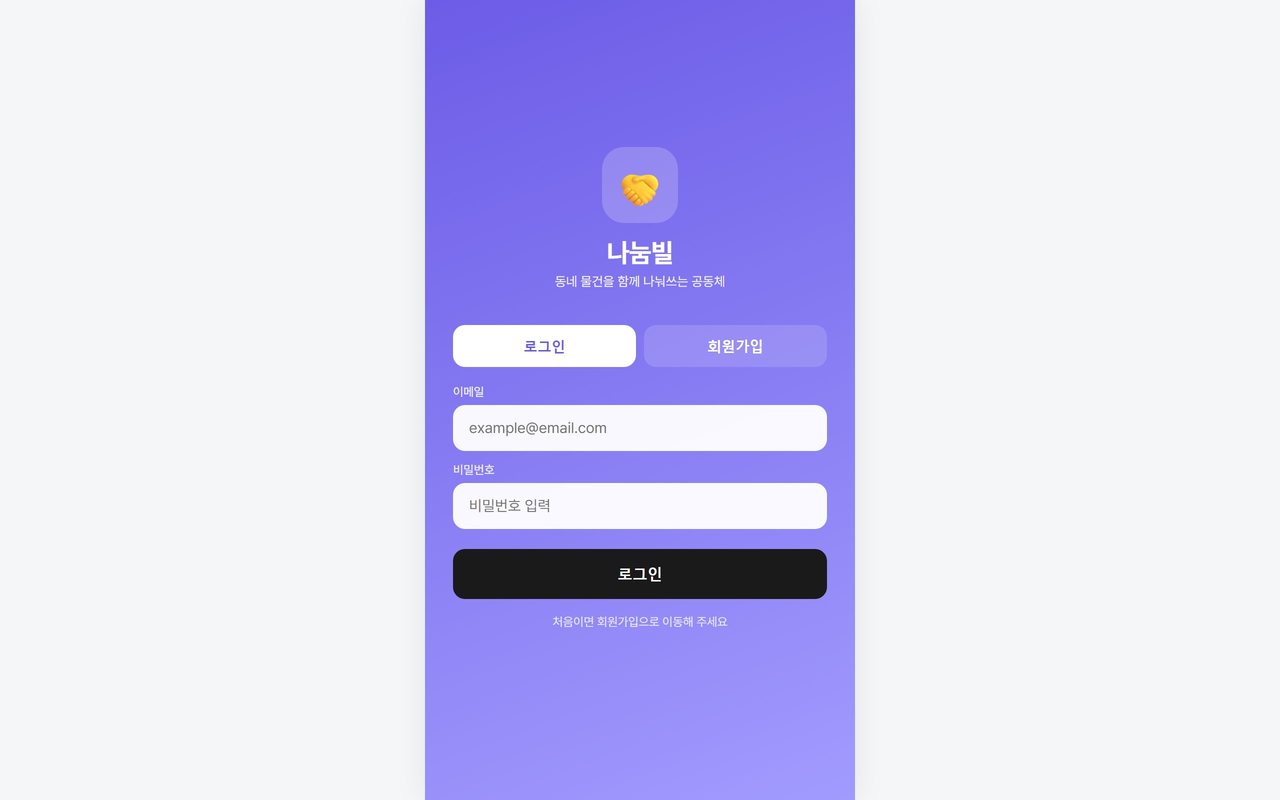
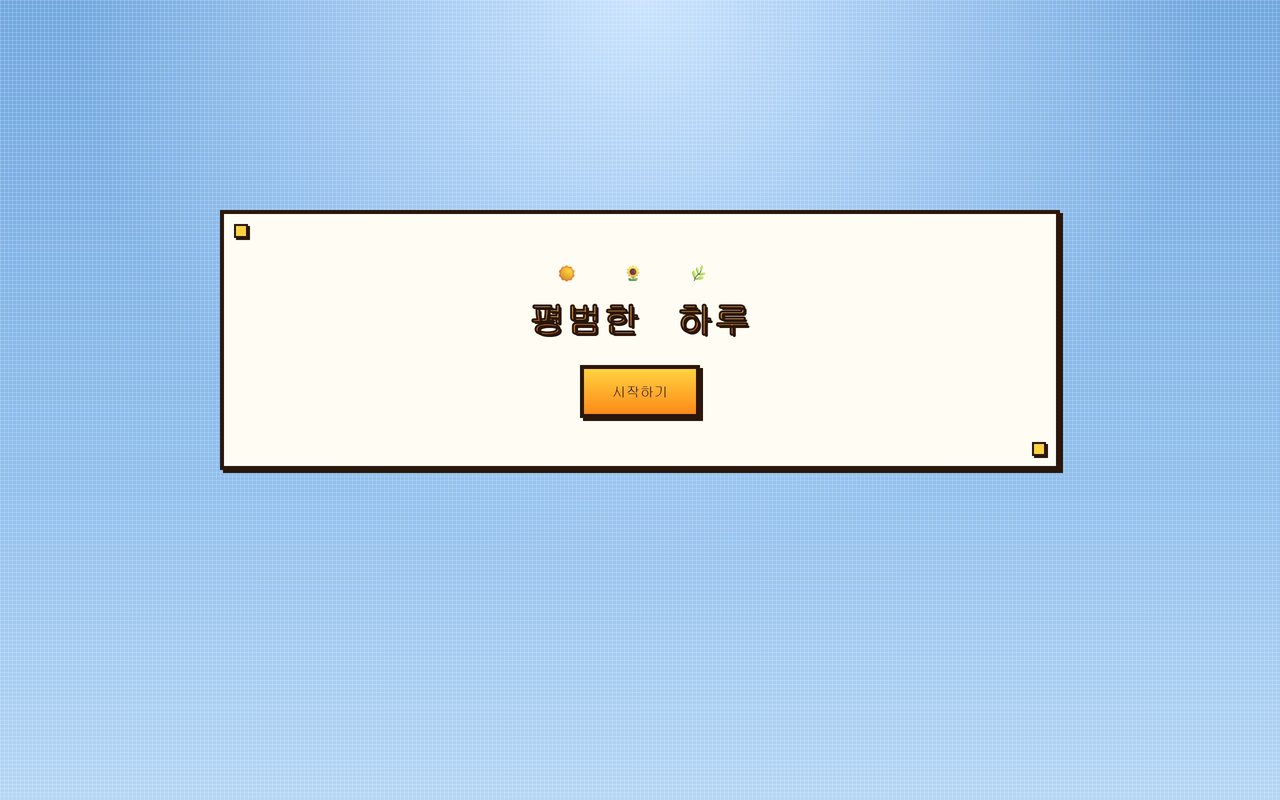
All 22 teams published a working app to the Bana gallery. Topics differed from team to team, from a cancer-treatment game and semiconductor cooling to photocatalysts for artificial photosynthesis, typhoon and wildfire response, and gaps in welfare and healthcare.

School
Cheongju Daeseong High School
Date
Thursday evening, July 16 and Friday morning, July 17, 2026
Participants
77 high school students in 22 teams
Format
2-hour evening pre-training plus 5-hour morning build
Topic
Free choice for each team
Run by
3 Bana instructors and mentors on site
Schedule
Theme · each team chose their own

Two hours of learning in the evening,
half a morning of building.

On Thursday evening, even students seeing it for the first time got the hang of it from a two-hour session.
The next morning they started building immediately and stayed with it, without a break.

Thu Jul 16 · 19:00–21:00

Pre-training

First taste of AI literacy and vibe coding

Fri Jul 17 · 08:30

Building starts

Teams go straight from their own topic to an app

until 13:30

Finished · published to the gallery

Focused straight through, then shared to the Bana gallery

Wrap-up

Trying each other’s work

Time to actually use the apps other teams built

The theme of this hackathon
“No set theme, just whatever each team wanted to build”

Twenty-two teams each picked a different problem:
cancer treatment and semiconductor cooling, photocatalysts, typhoons and wildfires, welfare and healthcare gaps.
Starting from what they cared about, they never put it down.

What the day built
Turning an idea into something real · AI-assisted software literacy · team collaboration
Student work

The work the students built, one at a time.

The projects scroll past below. Hover to pause, and click a card to see it in detail above.

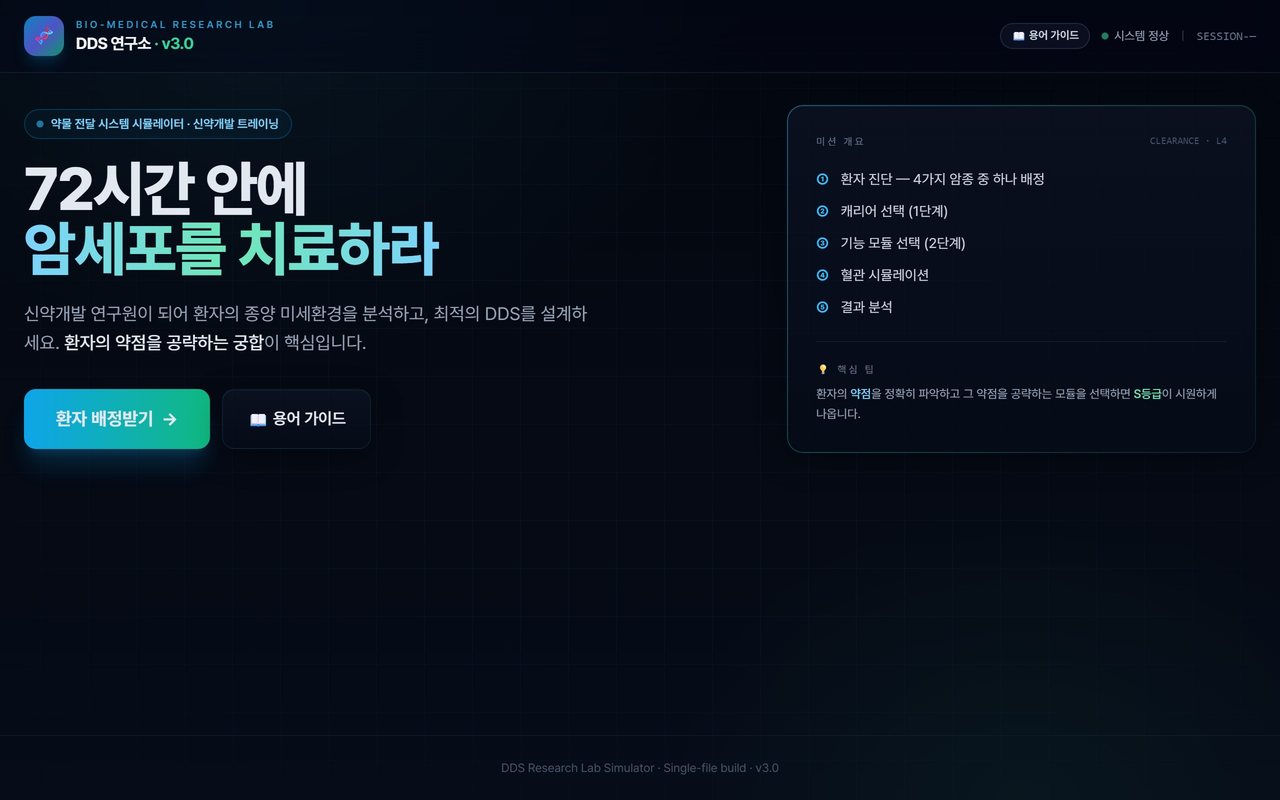
DDS 연구소
4 students
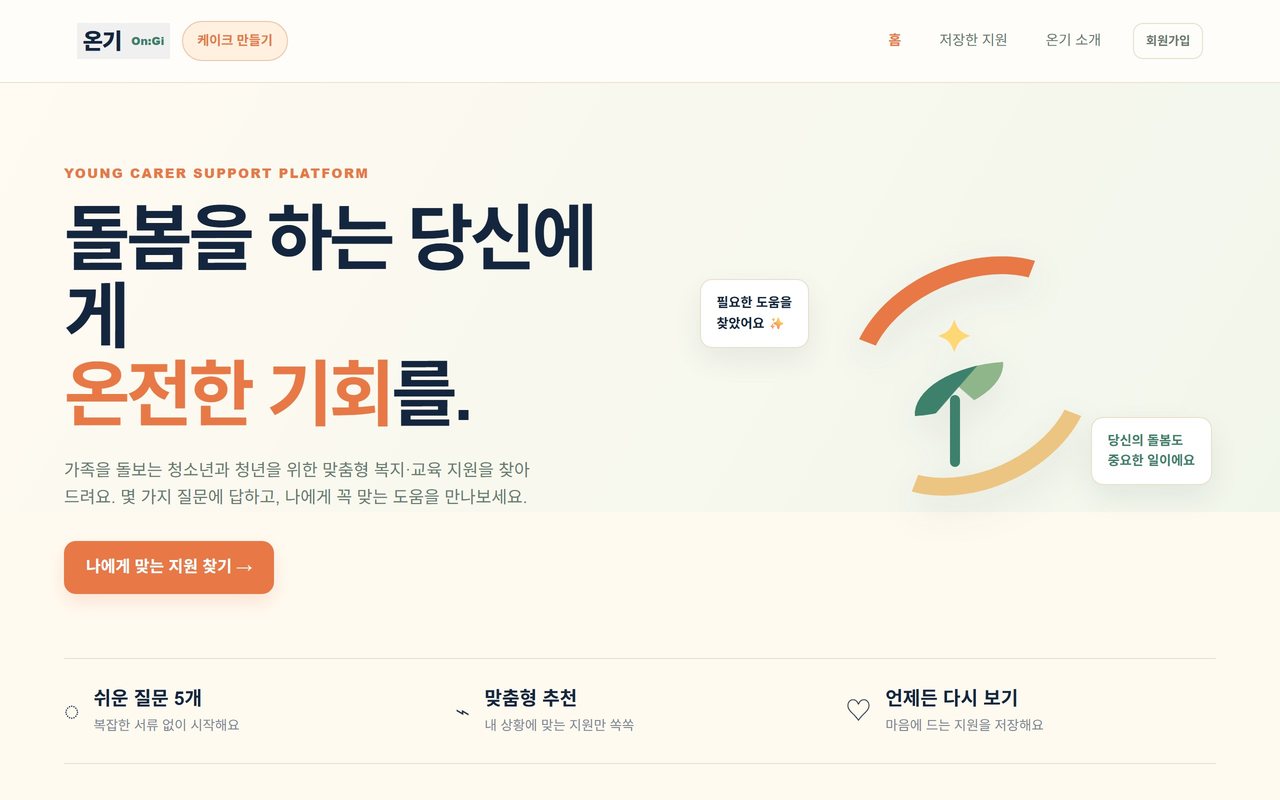
온기 (On:Gi)
4 students
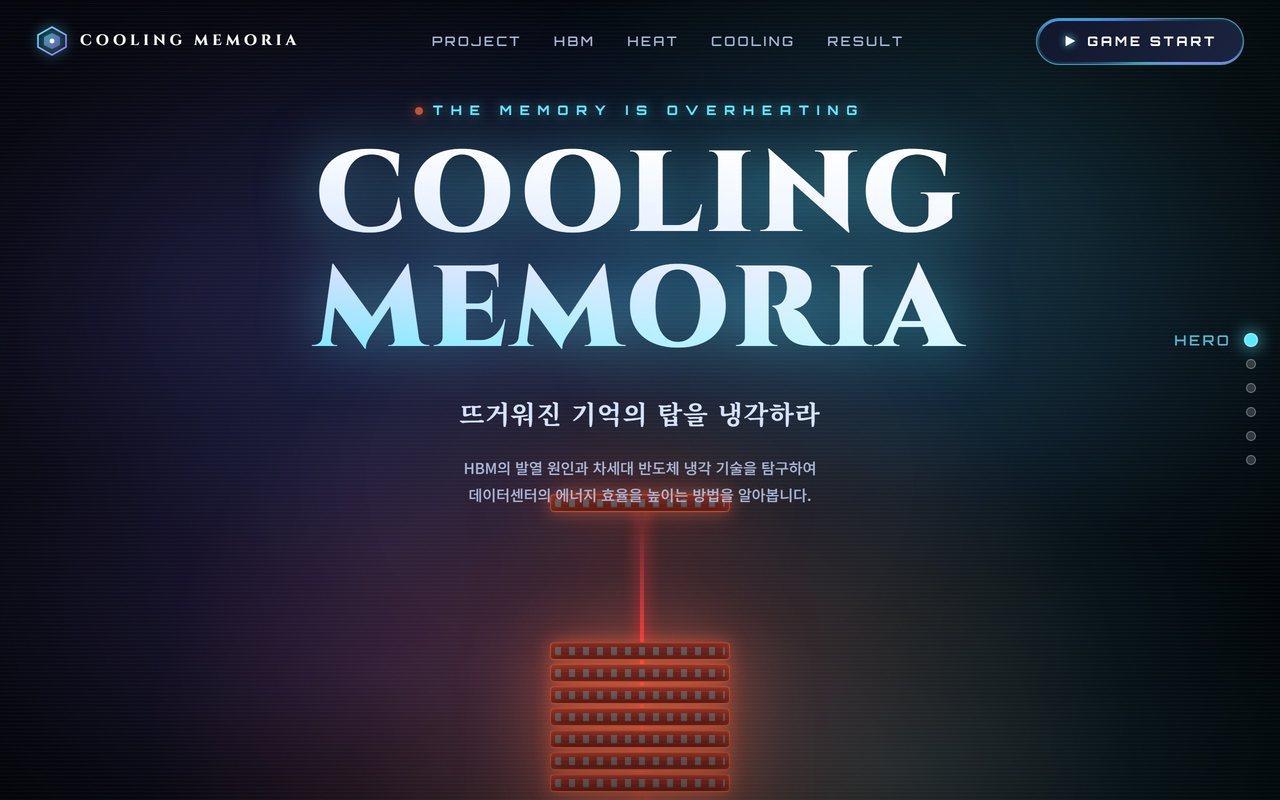
HBM 냉각 미션
4 students
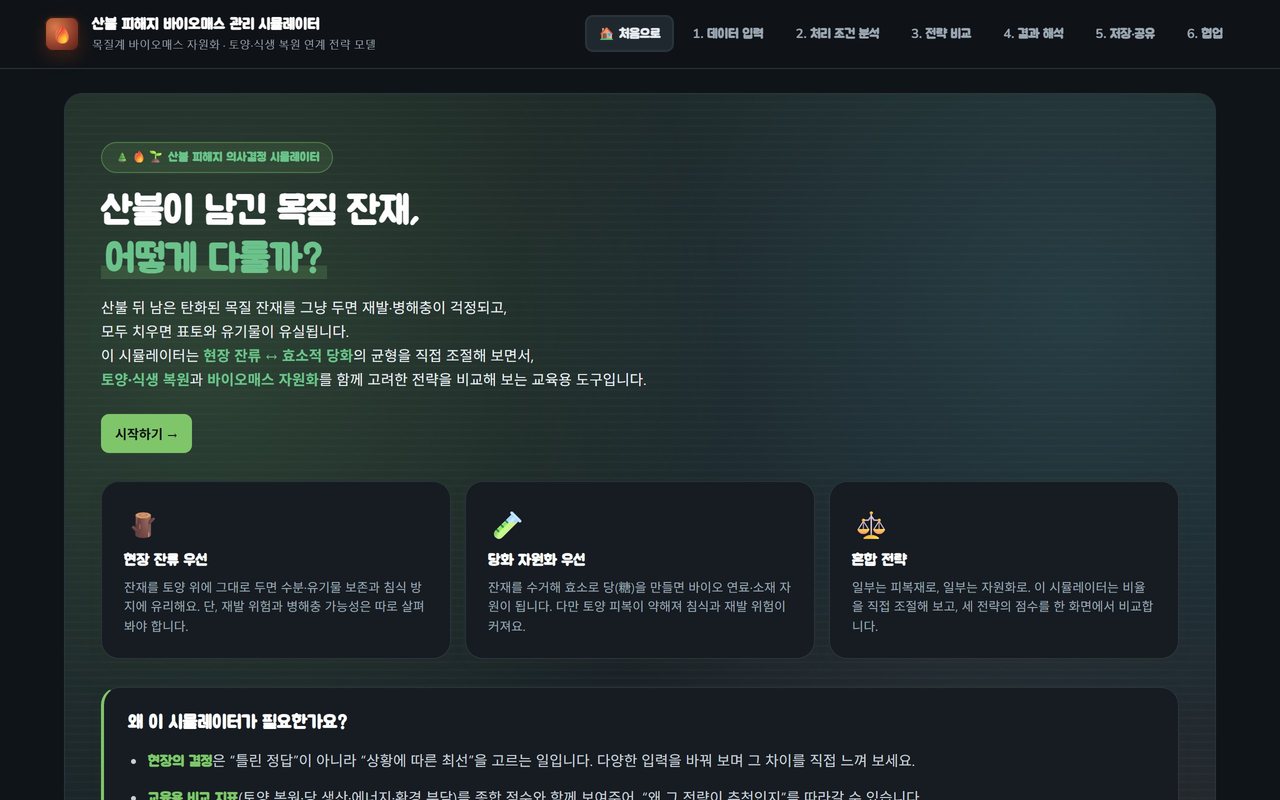
산불 피해지 복원 시뮬레이터
3 students
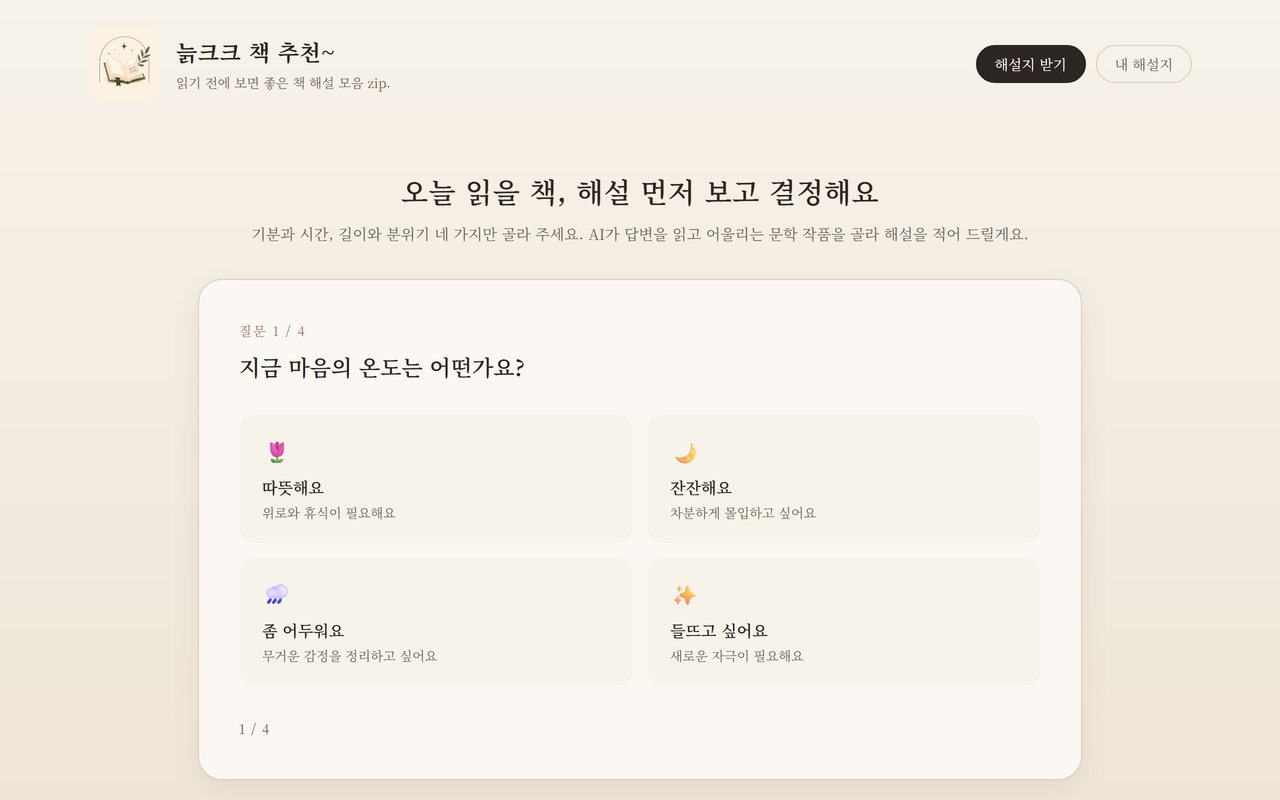
읽기 전, 책 한 페이지
4 students
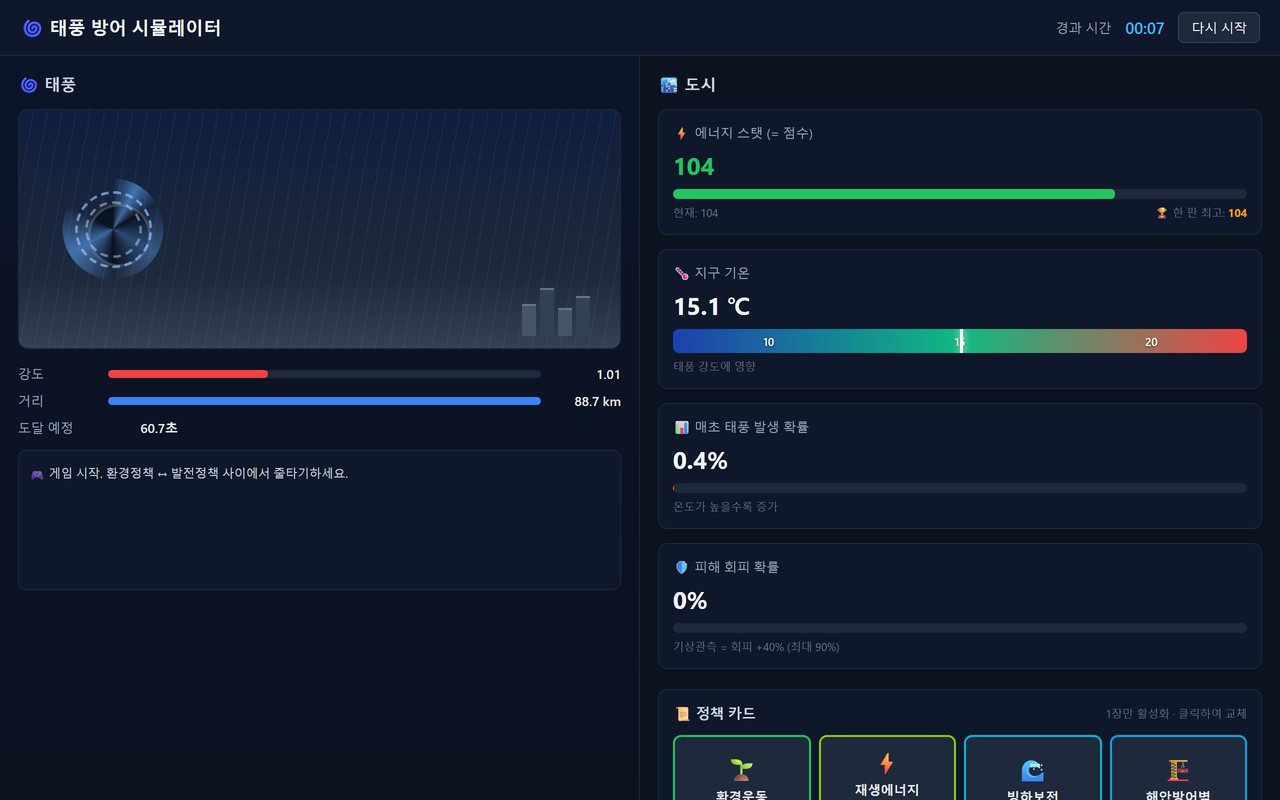
태풍 방어 시뮬레이터
5 students
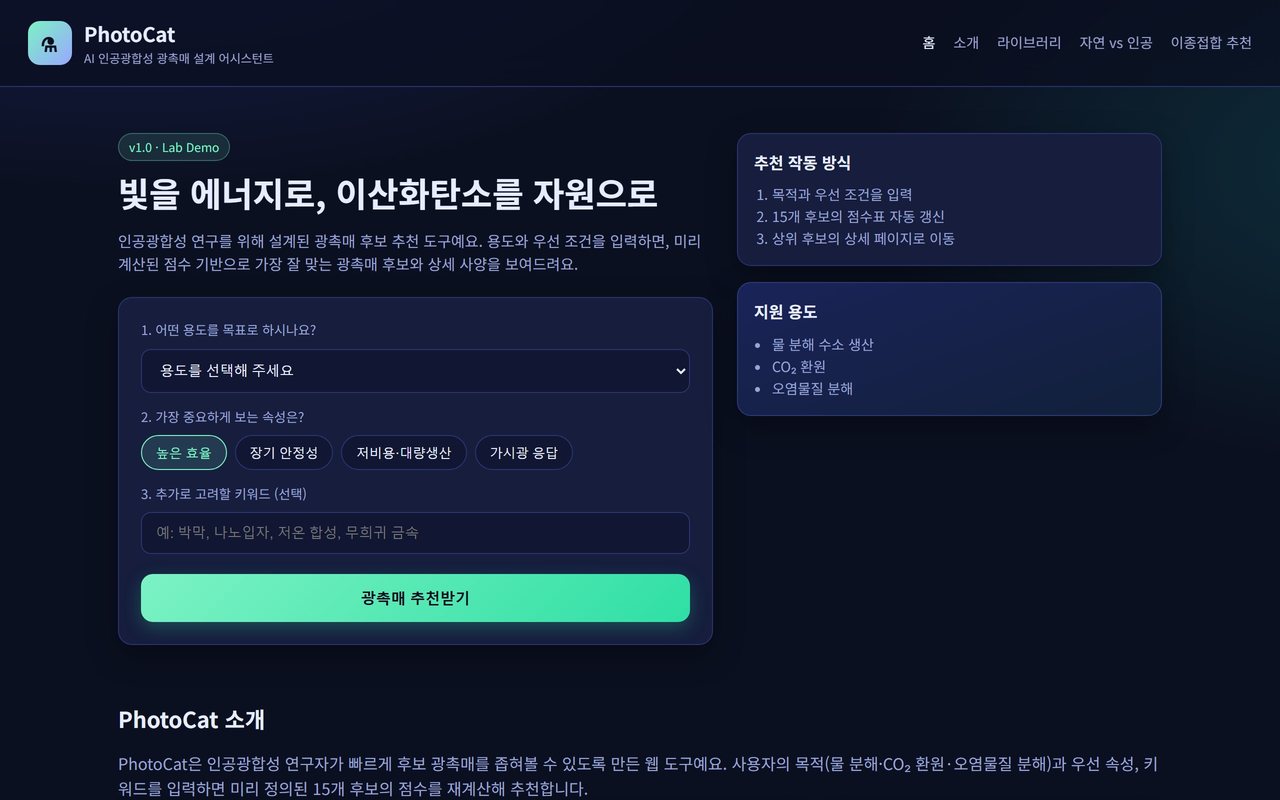
PhotoCat
3 students
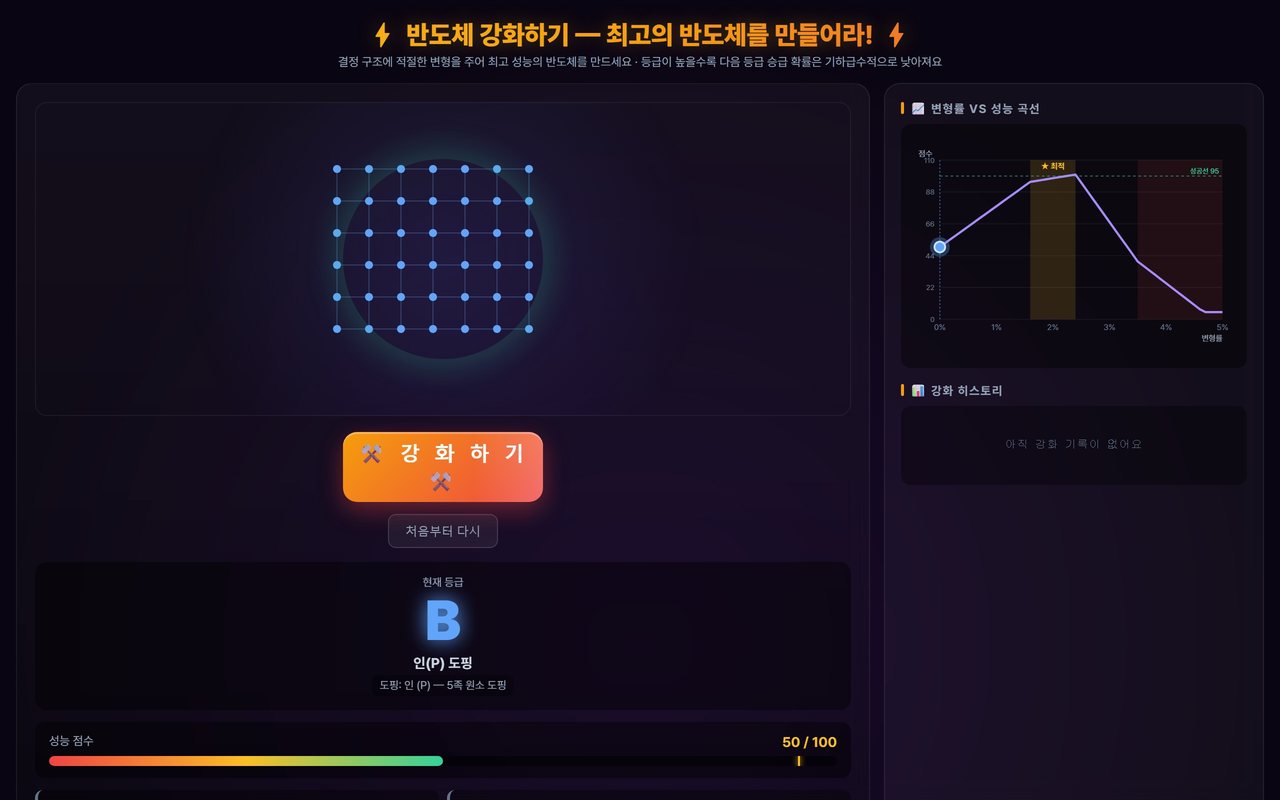
반도체 강화하기
4 students
‘살 수 있는 사람, 살 수 없는 사람’
4 students
BrainSync
3 students
잇다
3 students
Green Power Factory
6 students
Photo-Tint
3 students
우리 학급 환경 지킴이
3 students
동네 물건 공유
3 students
평범한 하루
4 students
With Bana
The school focuses only on the students,
and Bana prepares everything else.

All Cheongju Daeseong had to handle was a single list of student names.
Bana takes care of the rest: team assignments, running the day, technical support, and publishing the work.

Operations, handled

Send us the roster and we arrive with everything ready, from team assignments to the run-of-day script.

On-site technical support

The moment a student gets stuck, our staff work through it beside them. Teachers can just watch.

Work published automatically

When the event ends, every team's project goes straight into the gallery and students leave each other hearts (♥).

Pre- and post-surveys

We run the surveys too, so you can see in the data how much the students changed.

The classroom that day

Learn, build, and try each other’s work, all in one day

We kept the tool explanation short.
Most of the day went to the students actually building.

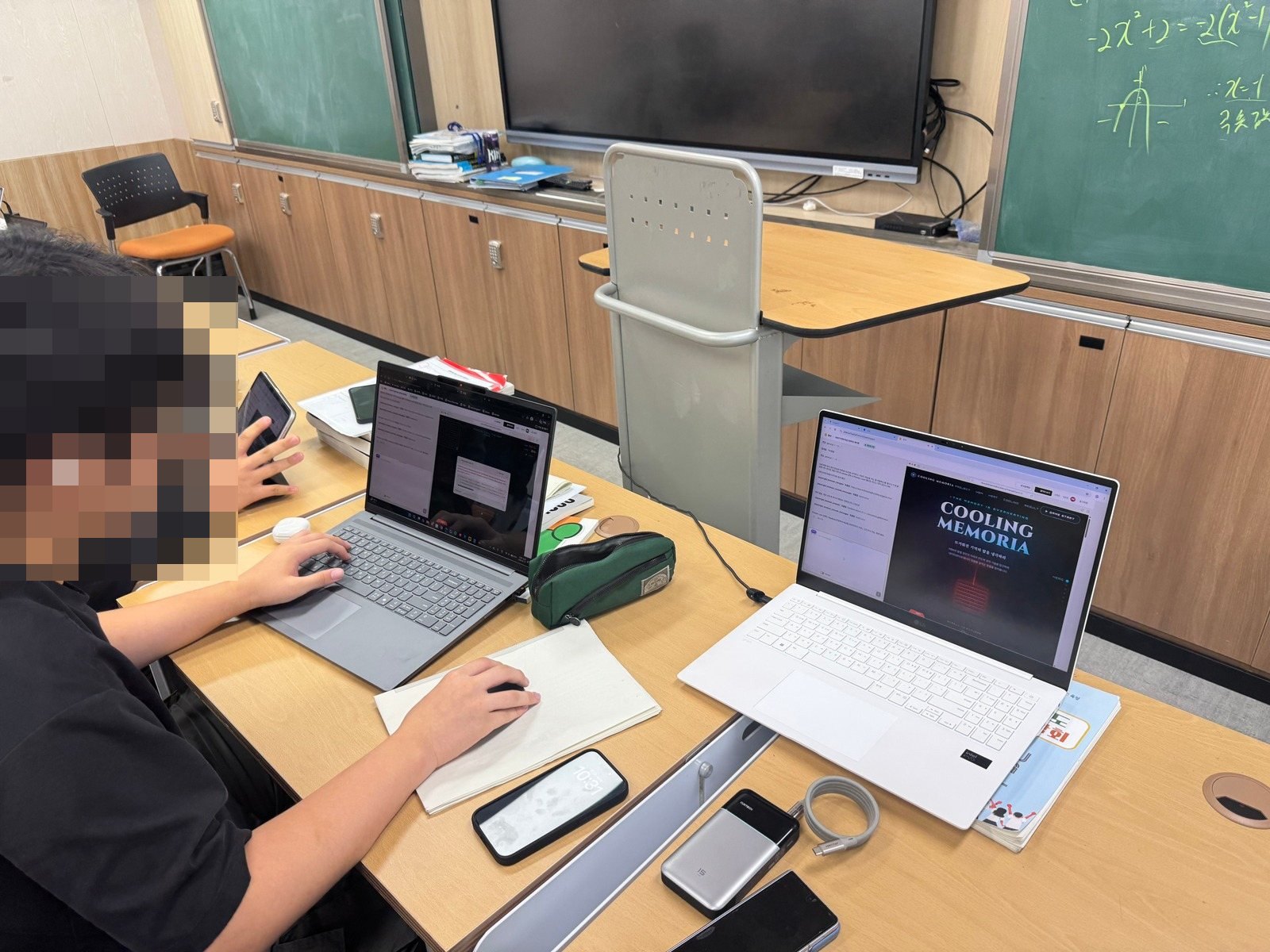
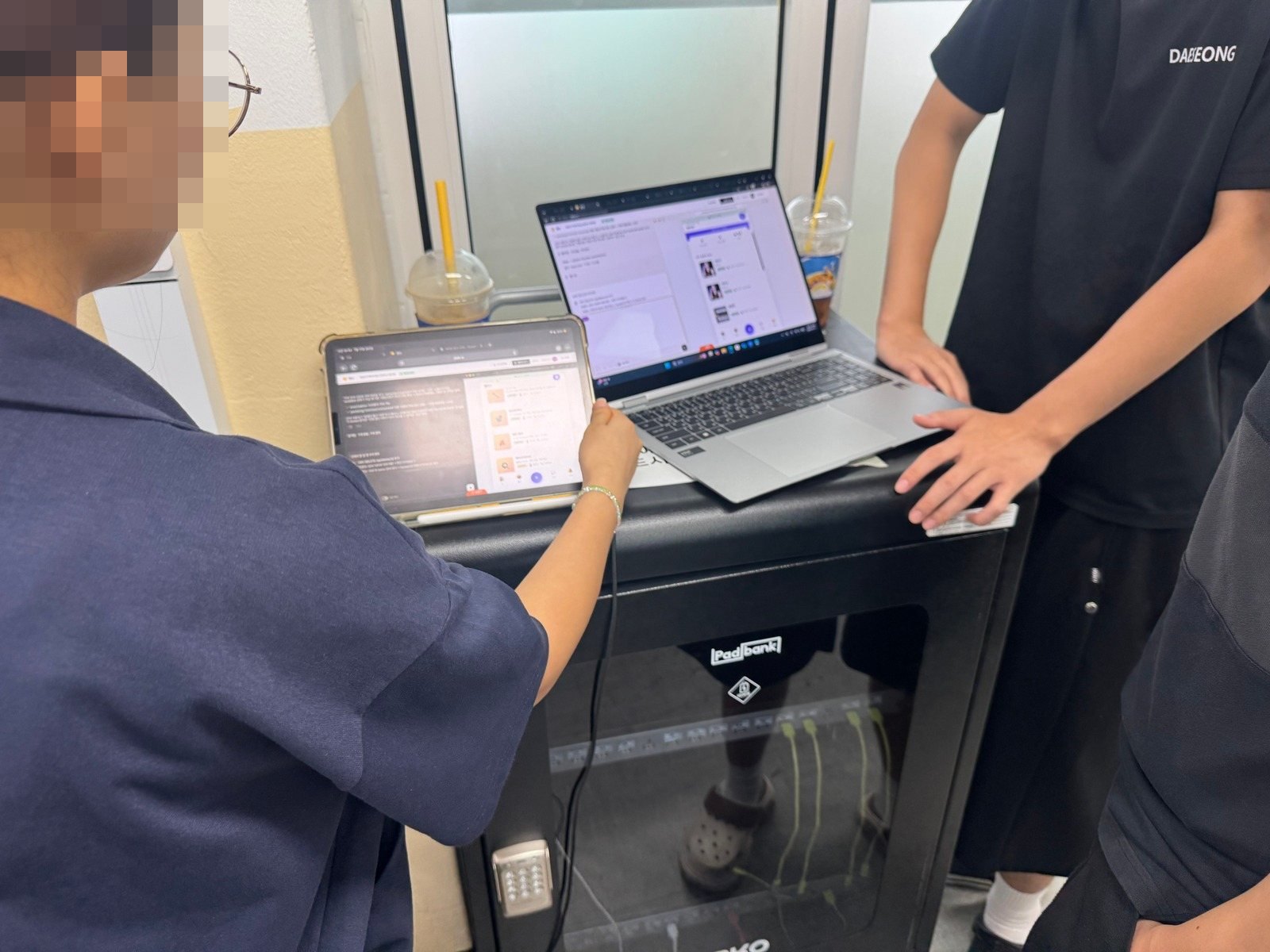
A student building their own web app on a laptop, with the work in progress on the screen beside themDeep in the build
A wide view of the classroom during the evening pre-training session, students seated at their laptopsEvening pre-training
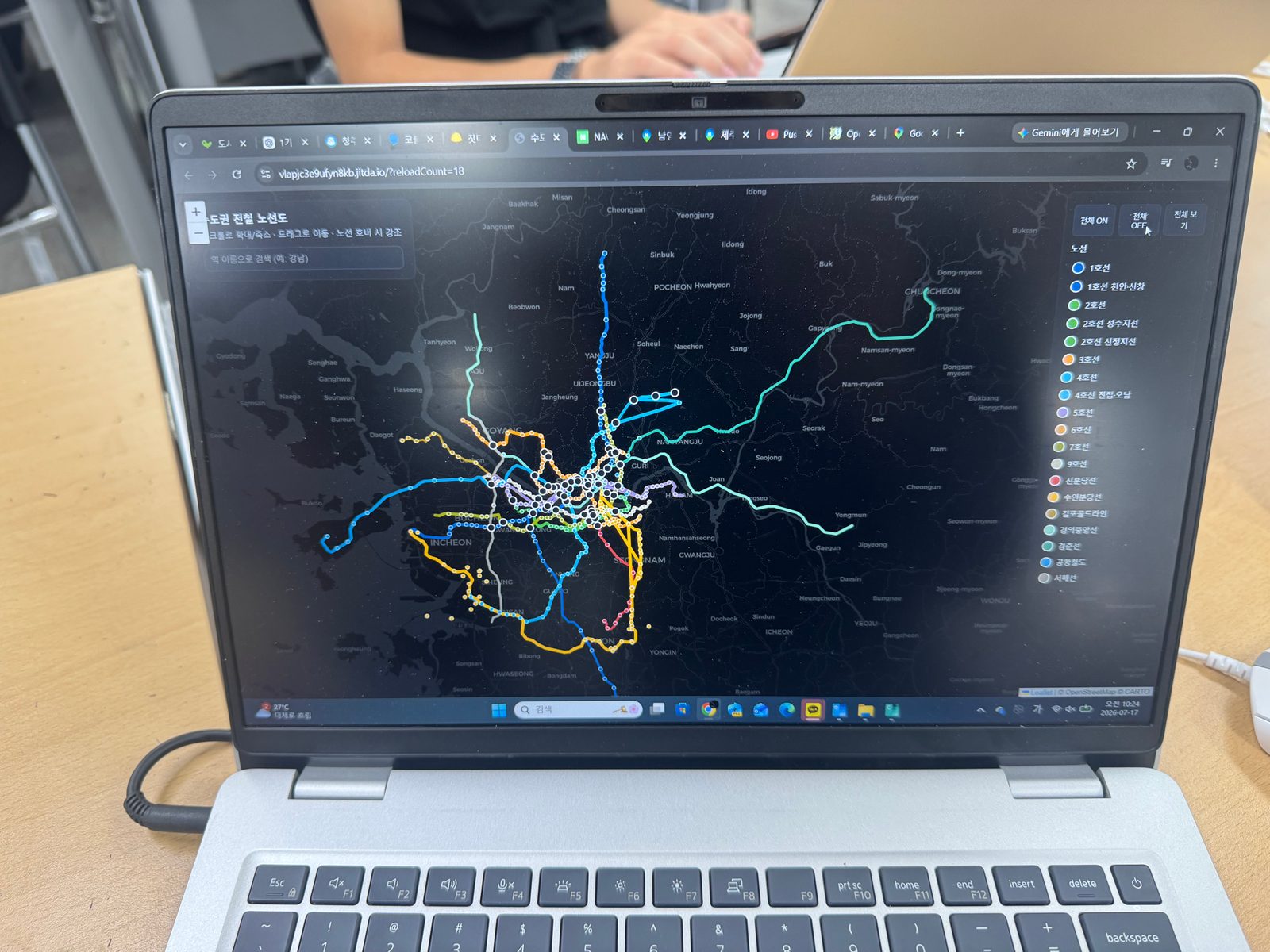
A laptop screen showing a metro map web app built by a studentA working app
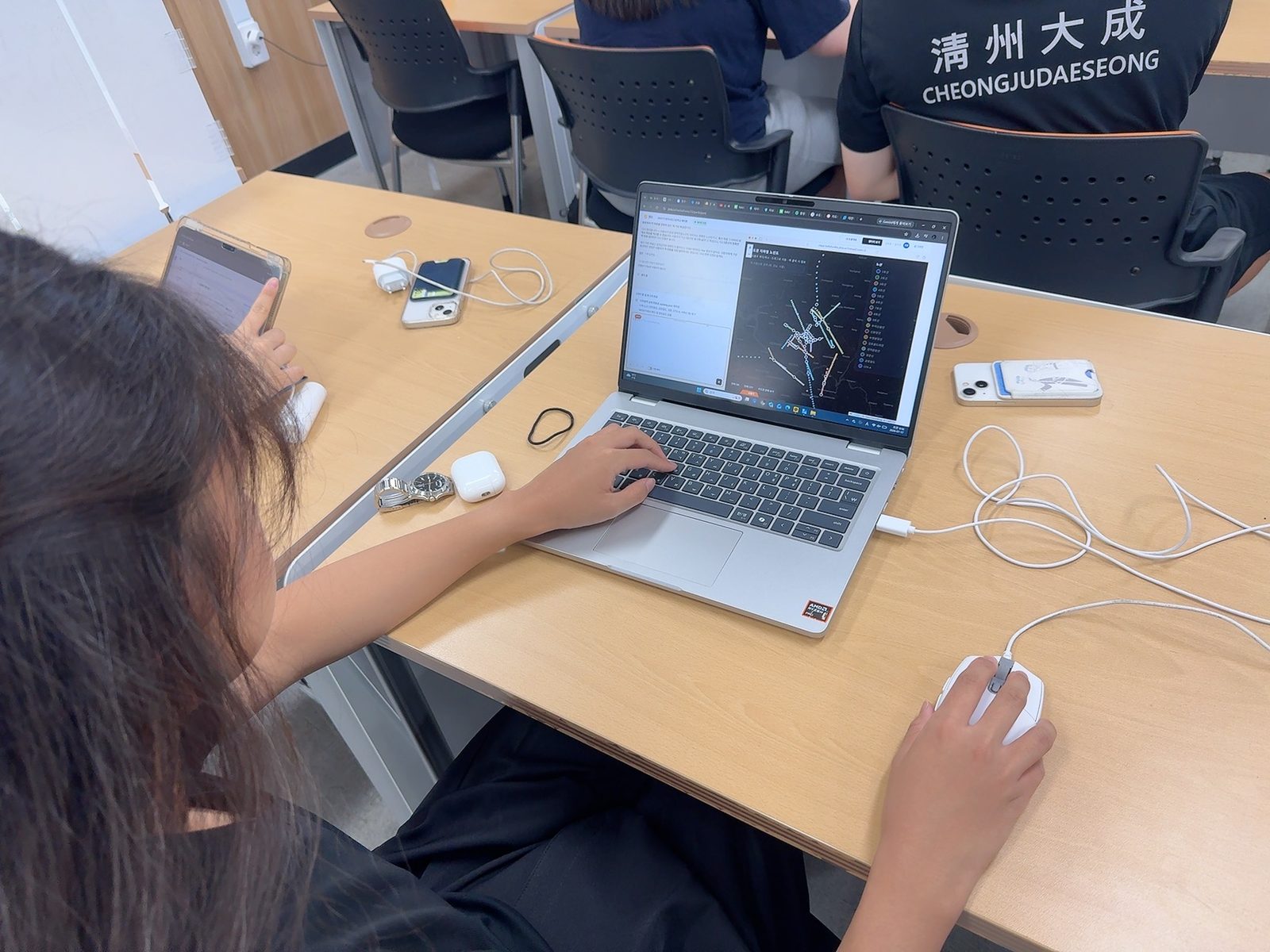
A student building a map-based web app with a laptop and mouseTeam development
Students helping each other across their laptopsHelping each other
FAQ

Frequently asked questions about this case

How did the Cheongju Daeseong AI hackathon run?
On July 16, from 7 to 9 PM, students spent two hours in pre-training on AI literacy and vibe coding. On July 17, from 8:30 AM to 1:30 PM, teams built their apps. Finished work went to the Bana gallery, and the day closed with time to try each other's apps.
Can students who are new to vibe coding take part?
At this event, students new to vibe coding got a feel for it from a two-hour lecture and started building the next morning. Because you describe the app you want to the AI, you can start without experience writing code yourself.
What kinds of apps did the students build?
No topic was assigned, so every team started from its own interests. The 22 apps include DDS Lab on drug delivery systems, HBM Cooling Mission, a wildfire-area restoration simulator, a typhoon defense simulator, and PhotoCat on artificial photosynthesis. You can browse them in the works list on this page.
What does a school need to prepare?
A single list of student names. Bana handled team assignments, running the day, technical support, and publishing the work. To hold a hackathon at your school, contact us through the form at the bottom of this page.
Contact us

Open the next hackathon
at your organization. We'll bring the rest.

From schools and districts to corporate training and workforce programs, tell us the size and the dates and we'll build the rest around them.
Leave a message and we'll reply within one business day.

What you send is used only to follow up on your inquiry.
Curious how others did it? Browse more case studies