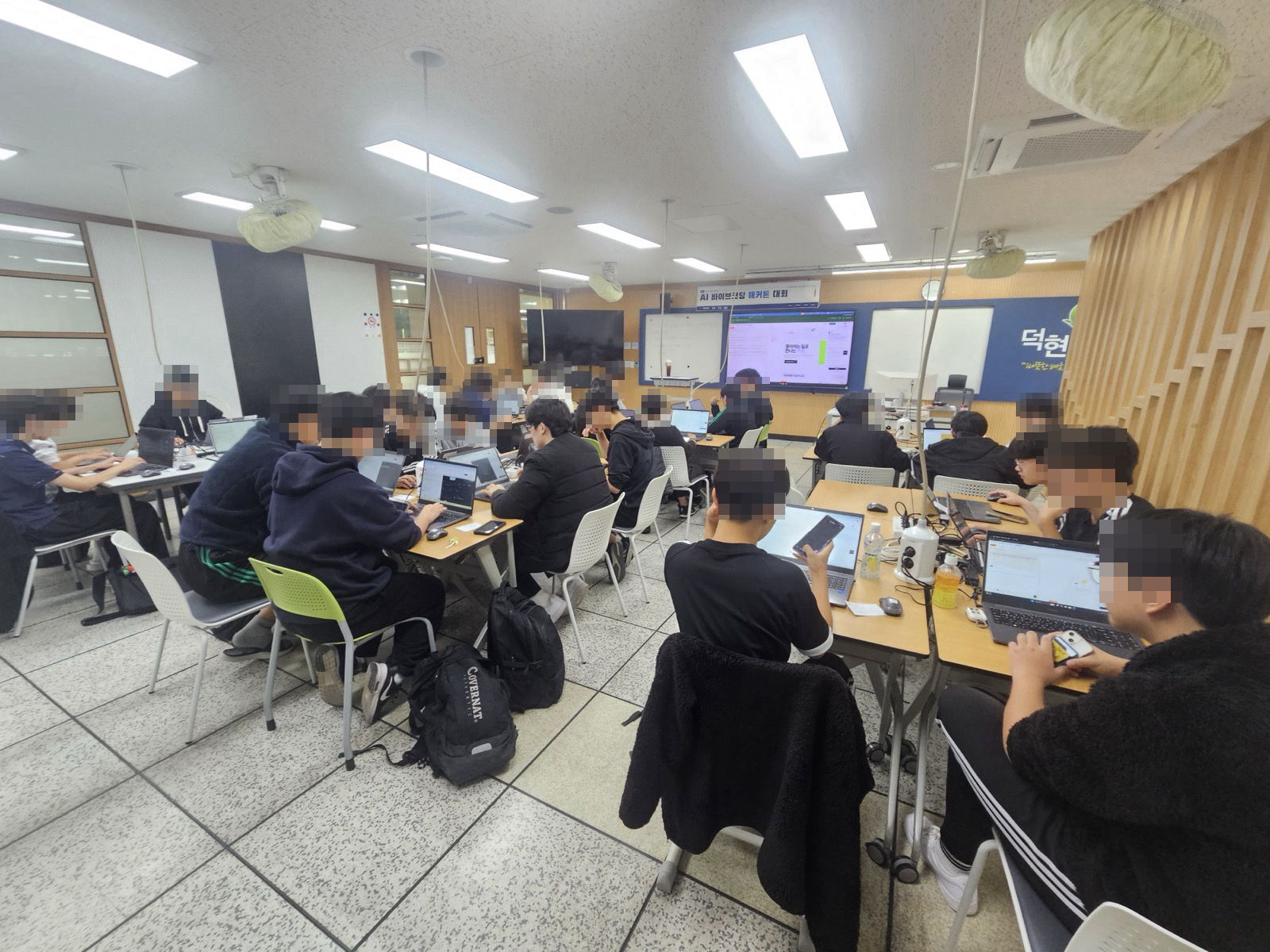
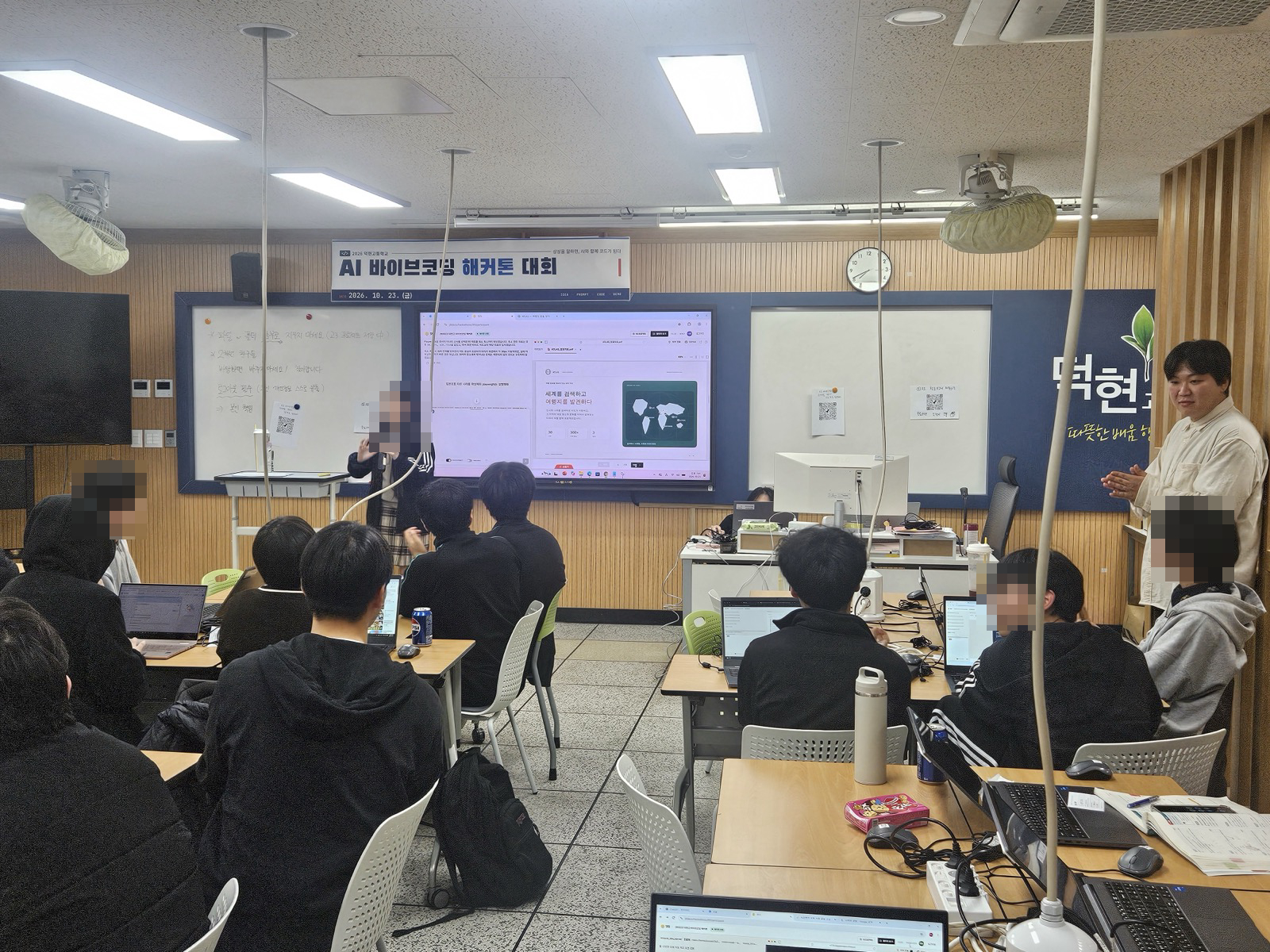
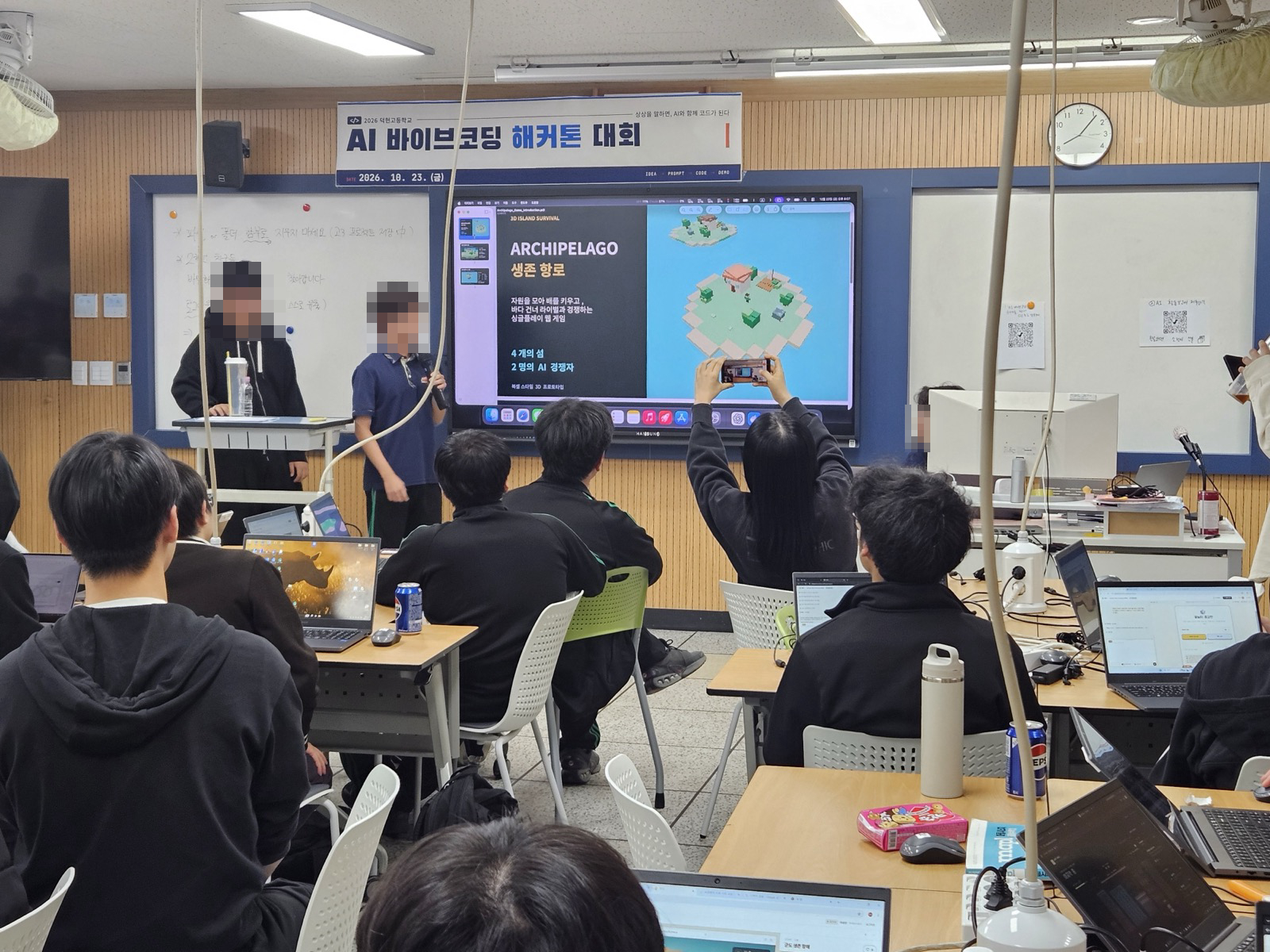
Two students presenting a 3D island survival game on the front screen in a classroom at Deokhyeon High School, with the AI vibe coding hackathon banner on the wall behind them

Deokhyeon High School AI Vibe Coding HackathonWe didn’t set a topic,
and from Yut to zombie schools
12 teams built apps.

The 30 students at Deokhyeon joined with a free topic.
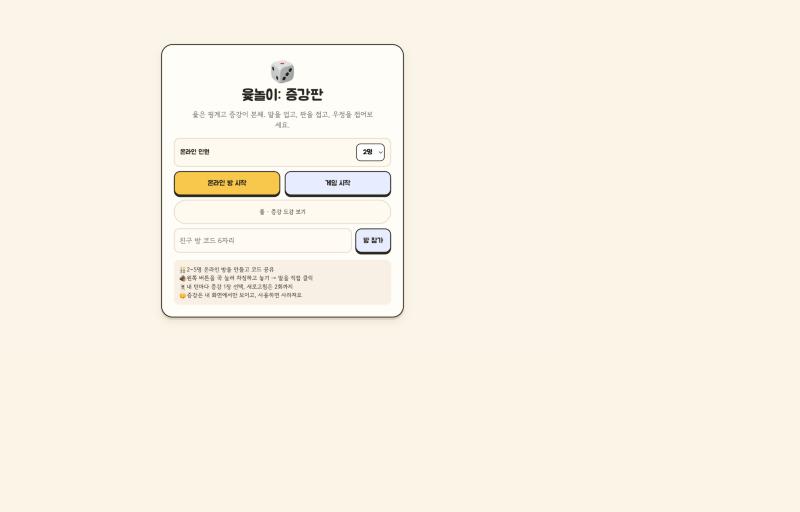
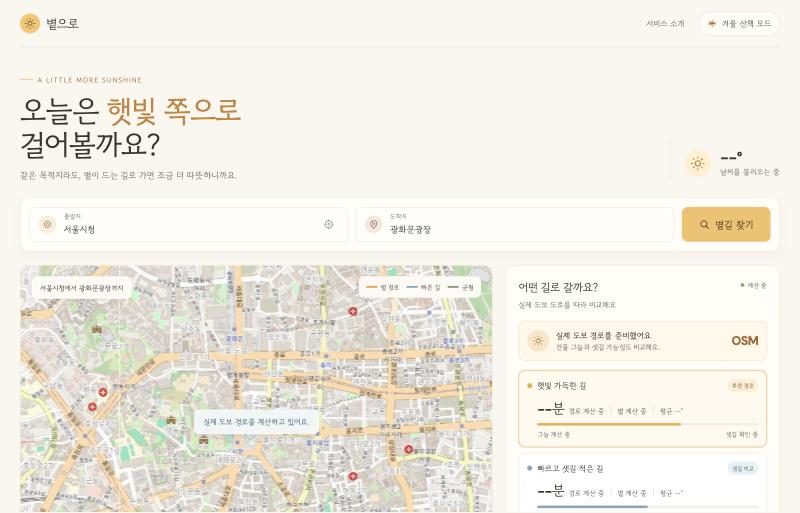
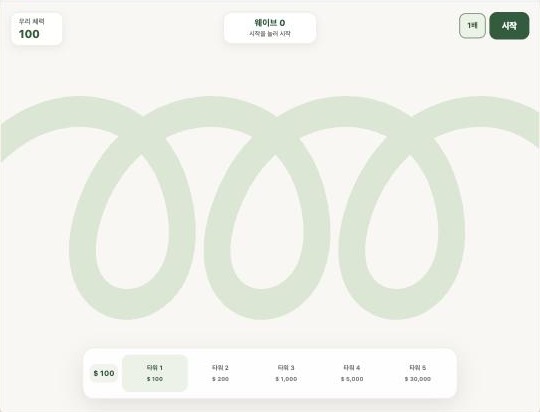
An online Yut game with power-ups, a route finder that follows the sunlight,
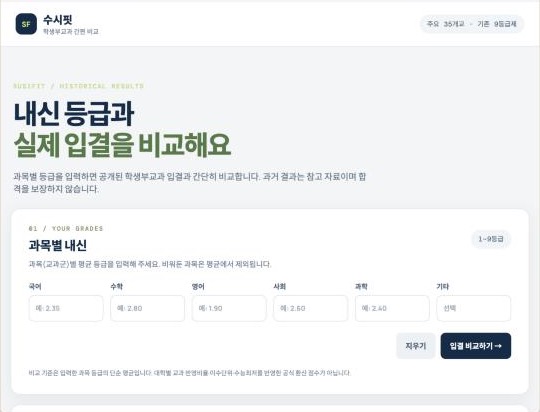
a service that compares university results against your school grades.
Even the pre-training wrapped up in the classroom that same day.

School
Yangju, Gyeonggi
Deokhyeon High School
Date
Oct 23Friday · afternoon + evening, 6 periods
Participants
0High schoolers · 12 teams
Completed
0 teamsevery team published to the gallery
Run by
Banapre-training · on-site operations
Overview

Afternoon and evening, 6 periods from pre-training to presenting

Deokhyeon High School (Yangju, Gyeonggi) held an AI vibe coding hackathon on Friday, October 23, 2026, split across an afternoon and an evening session. 30 high school students took part in 12 teams, and Bana ran the pre-training and the event on site.

From 2 to 5 PM, students learned vibe coding basics and the Bana tutorial, then each team picked a topic and started building. From 6 to 9 PM they kept building, and the finished apps went to the gallery.

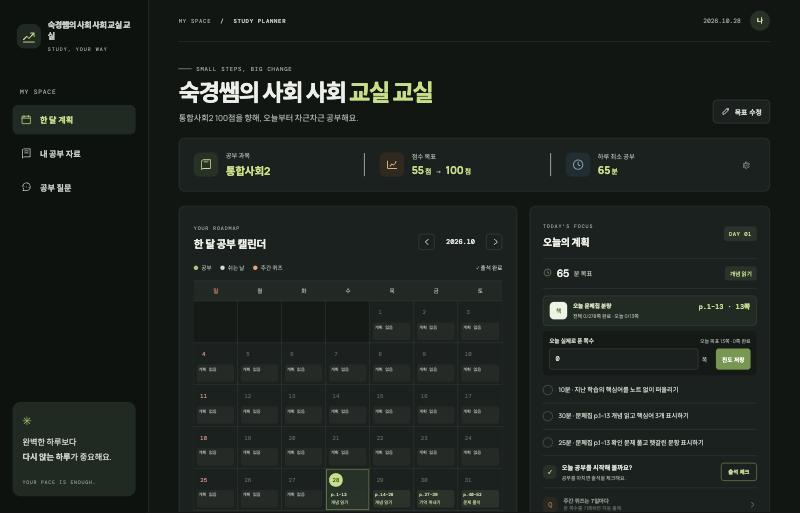
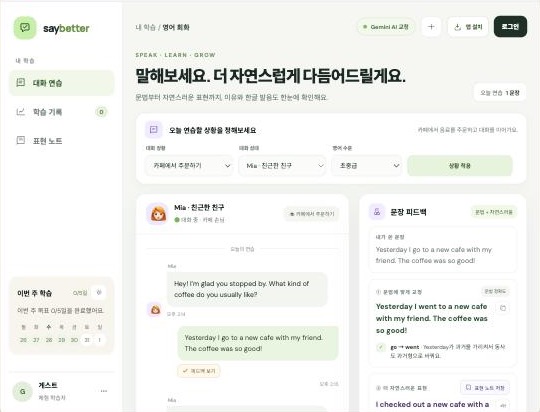
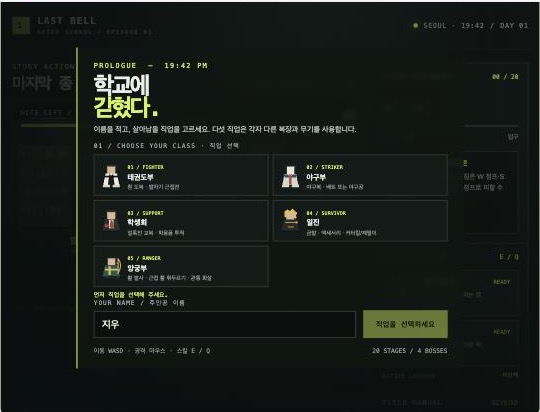
All 12 teams published their apps to the gallery. Topics differed from team to team, from an augmented Yut game, a world travel map, and a sunlight-aware walking route to a study planner, English conversation practice, and a zombie-school survival action game.

School
Deokhyeon High School (Yangju, Gyeonggi)
Date
Friday, October 23, 2026, afternoon and evening
Participants
30 high school students in 12 teams
Format
6 periods (14:00–17:00 afternoon + 18:00–21:00 evening)
Topic
Free choice for each team
Run by
Bana pre-training and on-site operations
Schedule
Theme · each team chose their own

Afternoon and evening,
from pre-training to presenting in 6 periods.

We ran it in two parts on Friday, October 23: 14:00–17:00 and 18:00–21:00.
The vibe coding pre-training and the Bana tutorial were done in the first session of the day,
then each team picked a topic and started building.

14:00–17:00

Pre-training · building starts

Vibe coding basics and the Bana tutorial, then each team picks a topic and starts building

17:00–18:00

Dinner

18:00–21:00

Building · presenting

Keep building, then publish the finished app to the gallery

The theme of this hackathon
“No set theme, just whatever they wanted to build”

Some teams made games; others made a study planner and an English conversation coach.
Some picked tools they needed in their own lives,
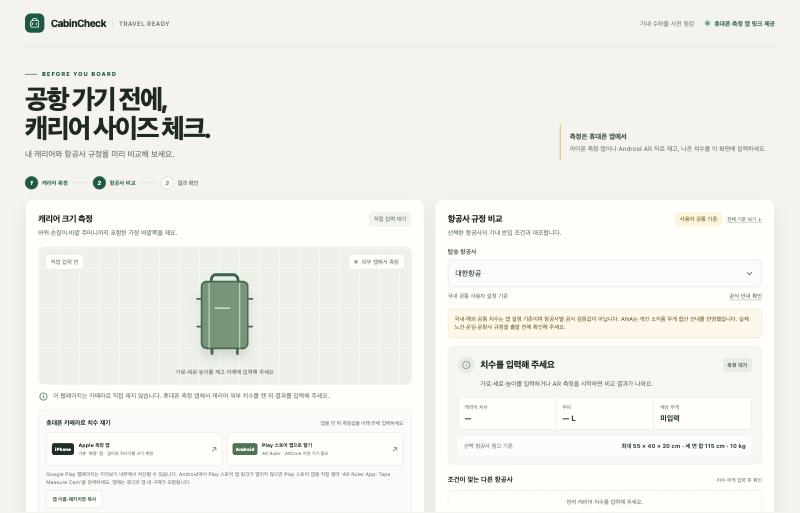
like a travel map, a cabin-baggage checker, and a university results comparison.

What they built up in a day
Turning ideas into apps · AI use and software literacy · Teamwork
Student work

The work the students built, one at a time.

The projects scroll past below. Hover to pause, and click a card to see it in detail above.

병맛 증강 윷놀이
3 students
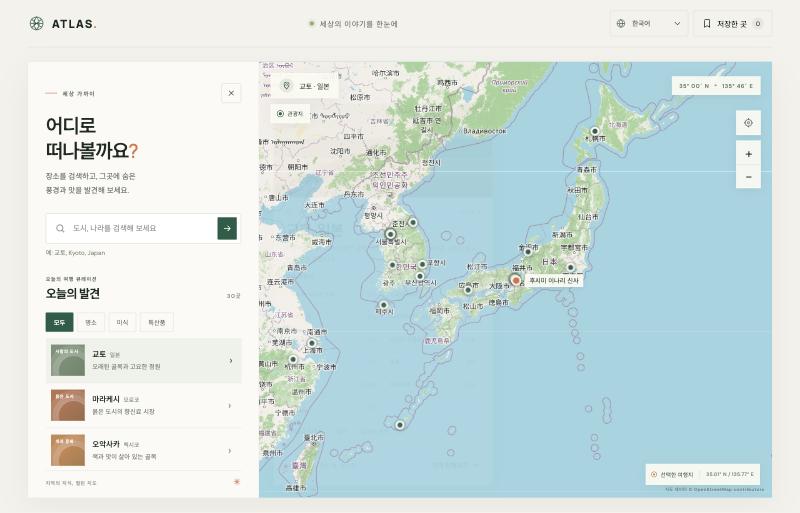
ATLAS
2 students
볕으로
3 students
CabinCheck
3 students
숙경쌤의 사회 사회 교실 교실
2 students
CROWN OF ASH
2 students
Say Better
2 students
웨이브 디펜스 타워 게임
3 students
마지막 종
2 students
수시핏
4 students
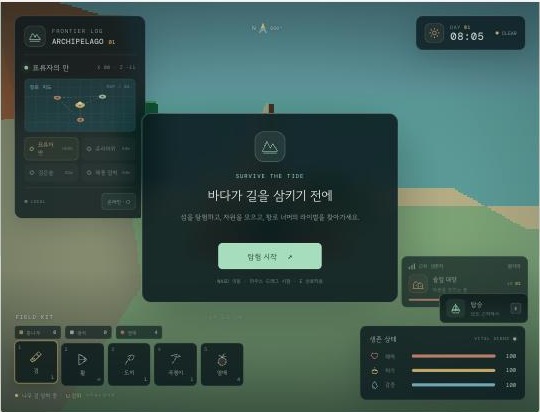
군도 생존 항해
3 students
With Bana
The school focuses only on the students,
and Bana prepares everything else.

All Deokhyeon had to prepare was a student list and a classroom.
Bana takes care of the rest: pre-training, running the day, the development environment, and publishing the work.

Operations, handled

Send us the roster and we arrive with everything ready, from team assignments to the run-of-day script.

On-site technical support

The moment a student gets stuck, our staff work through it beside them. Teachers can just watch.

Work published automatically

When the event ends, every team's project goes straight into the gallery and students leave each other hearts (♥).

Pre- and post-surveys

We run the surveys too, so you can see in the data how much the students changed.

The classroom that day

Friday, October 23,
a day in the Deokhyeon classroom

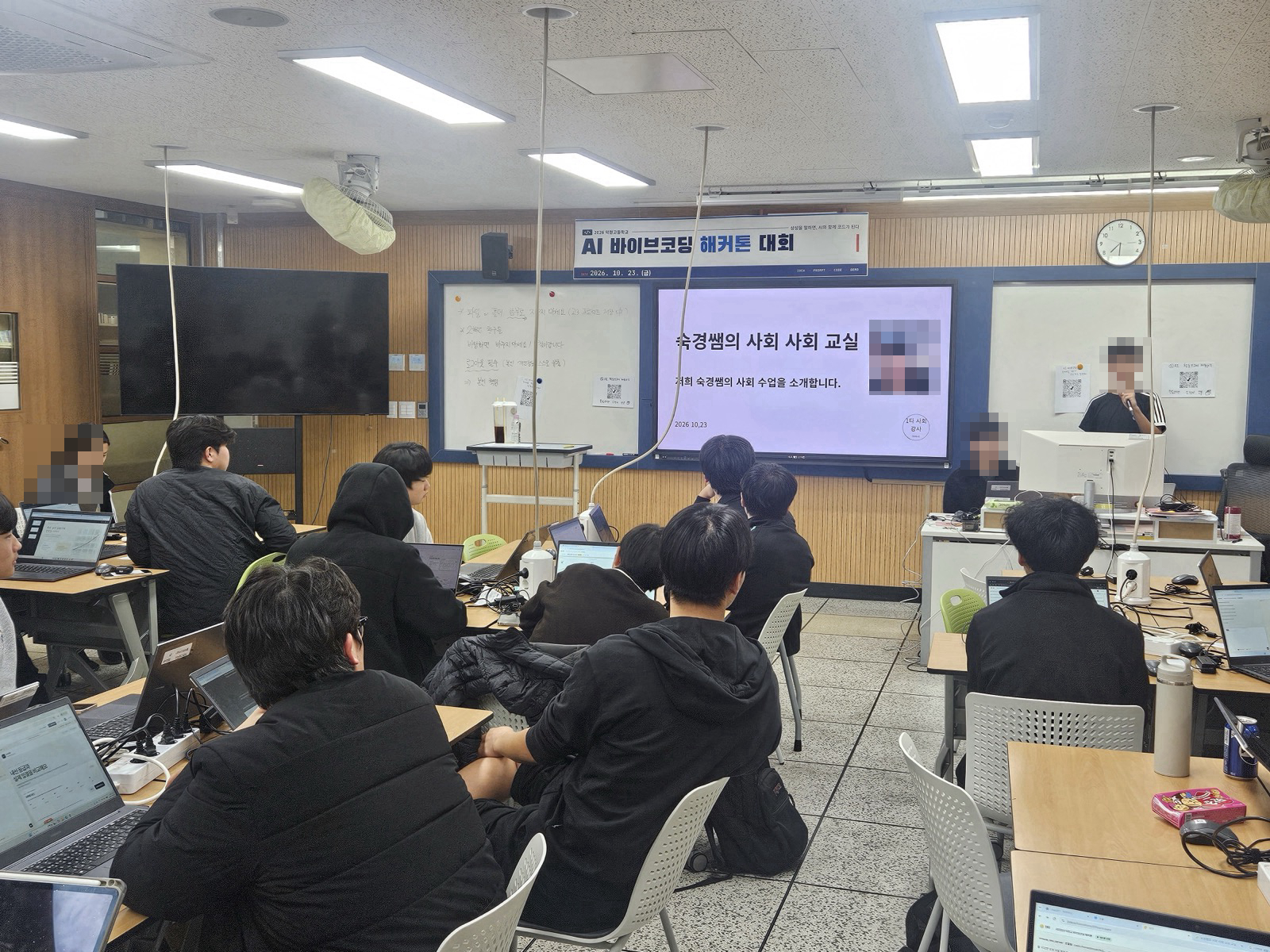
Laptops were open on every desk, with Bana up on the front screen.
Teams that finished introduced their own apps.

Students building apps on laptops at every desk, with the Bana screen on the front displayDeep in the build
A student introducing a world travel map app on the front screenIntroducing my app
A student presenting a study planner app on the front screen with a microphonePresenting
Two students presenting a 3D island survival game while another films the screen on a phoneA working game
FAQ

Frequently asked questions about this case

How did the Deokhyeon High School AI vibe coding hackathon run?
On October 23, 2026, from 2 to 5 PM, students learned vibe coding basics and the Bana tutorial, then teams started building. From 6 to 9 PM they kept building, and the finished apps went to the Bana gallery.
Can students who are new to vibe coding take part?
At this event, the pre-training wrapped up in the classroom in the first session of the same day, and teams started building right after. Because you describe the app you want to the AI, you can start without experience writing code yourself.
What kinds of apps did the students build?
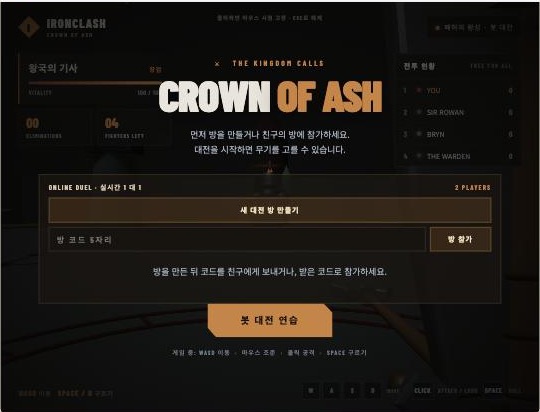
No topic was assigned, so every team started from its own interests. They include an augmented Yut game, the world travel map ATLAS, the sunlight-aware walking route 볕으로, a study planner, the English practice app Say Better, and the zombie-school survival action game 마지막 종. You can browse them in the works list on this page.
What does a school need to prepare?
A student list and a classroom. Bana handled the pre-training, running the day, the development environment, and publishing the work. To hold a hackathon at your school, contact us through the form at the bottom of this page.
Contact us

Open the next hackathon
at your organization. We'll bring the rest.

From schools and districts to corporate training and workforce programs, tell us the size and the dates and we'll build the rest around them.
Leave a message and we'll reply within one business day.

What you send is used only to follow up on your inquiry.
Curious how others did it? Browse more case studies