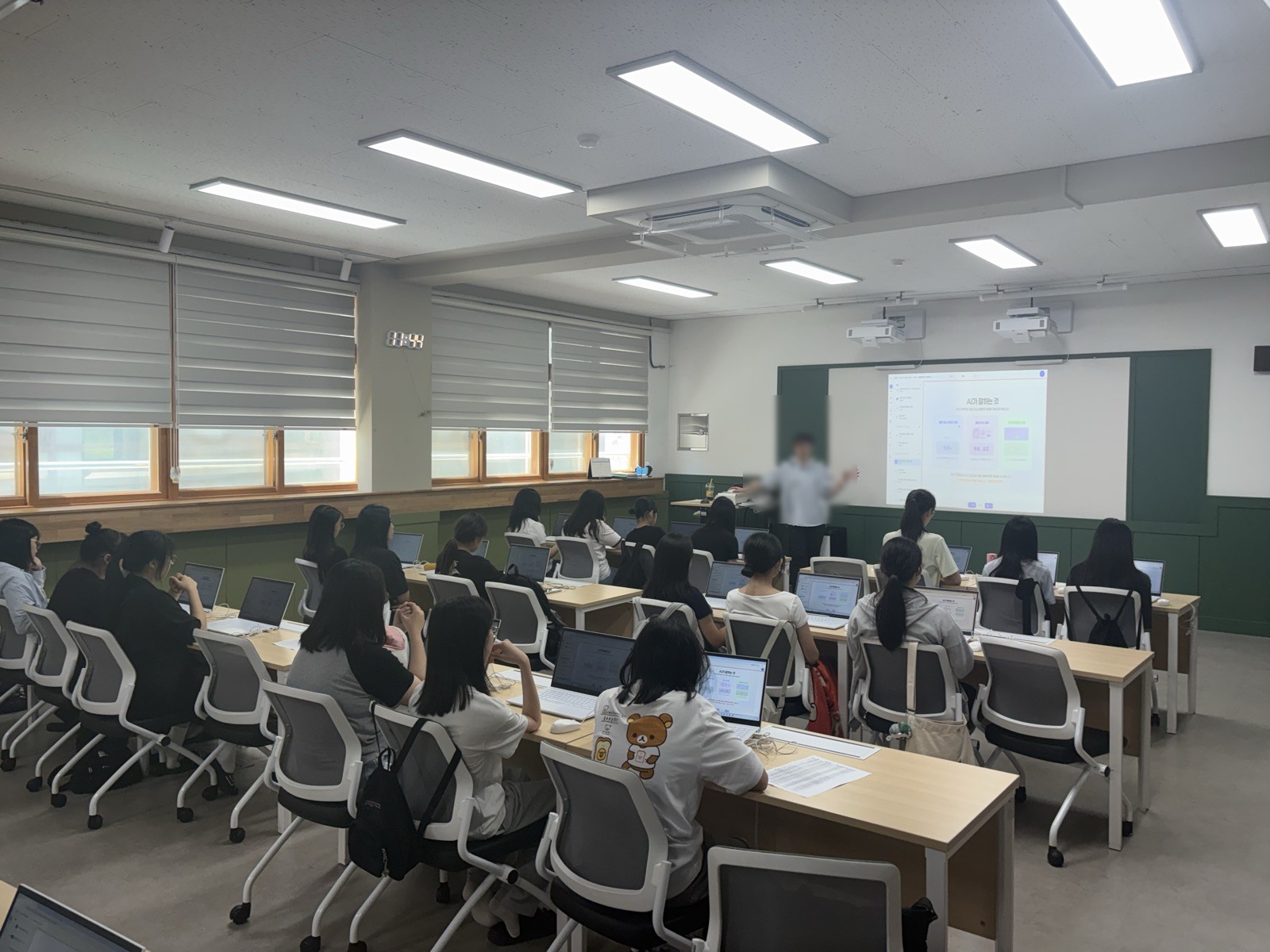
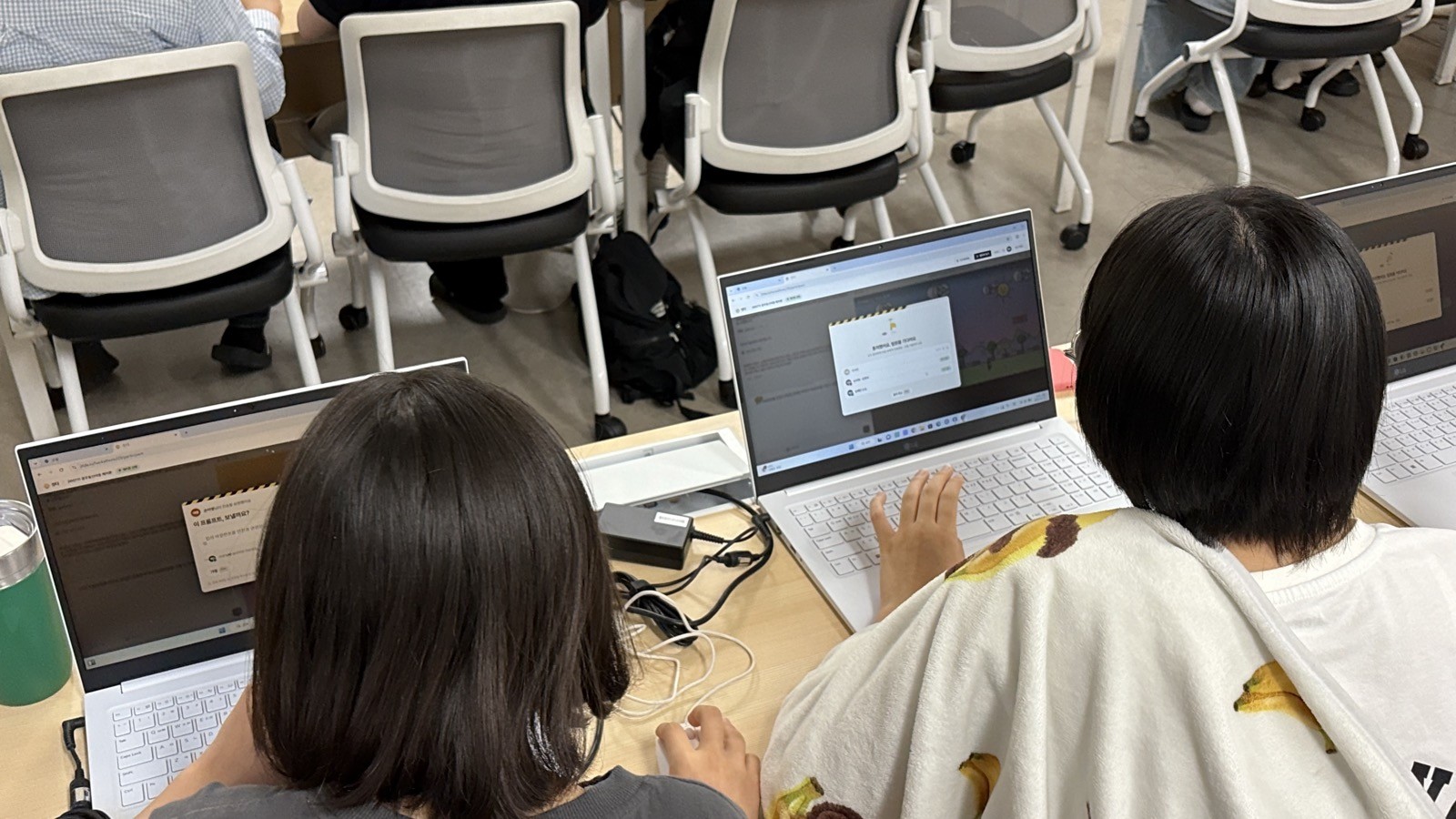
Students seated at laptops in a classroom at Gwangju Dongshin Girls’ Middle School during the hackathon

Gwangju Dongshin Middle School AI HackathonThey learned it that morning,
and by the afternoon they had built
a real app.

No elaborate preparation, no coding experience.
Thirty students learned it on a Saturday morning,
and that afternoon turned their own ideas into working web apps.
In about half a day, all ten teams finished.

School
Gwangju Dongshin Girls’ Middle School
Date
Sat, Jul 116 hours, one day
Participants
0Grades 1–3 · 10 teams
Completed
0 teams, all of themshipped a working app
Run by
BanaTeam Monolith on site
Overview

Learn on a Saturday morning, build in the afternoon

Gwangju Dongshin Girls’ Middle School held an AI vibe coding hackathon on Saturday, July 11, 2026. 30 students from grades 1 to 3 took part in 10 teams, and Bana (Team Monolith) visited the school to run it.

From 10 AM to 12 PM, students learned AI literacy and vibe coding. After lunch, from 1 to 4 PM, each team turned its idea into a web app. The last hour, from 4 to 5 PM, was for demos, judging, and awards.

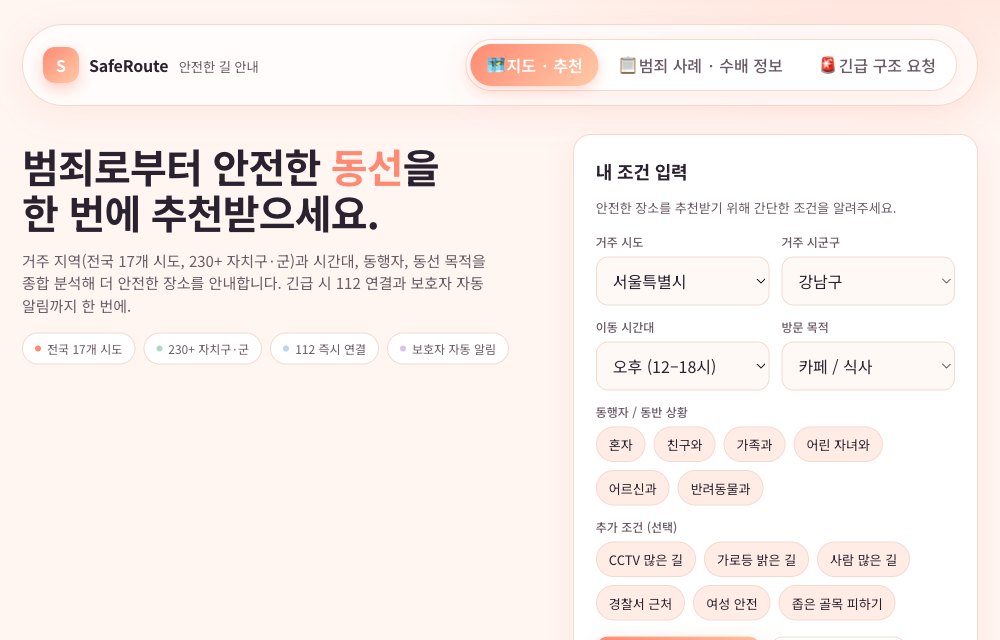
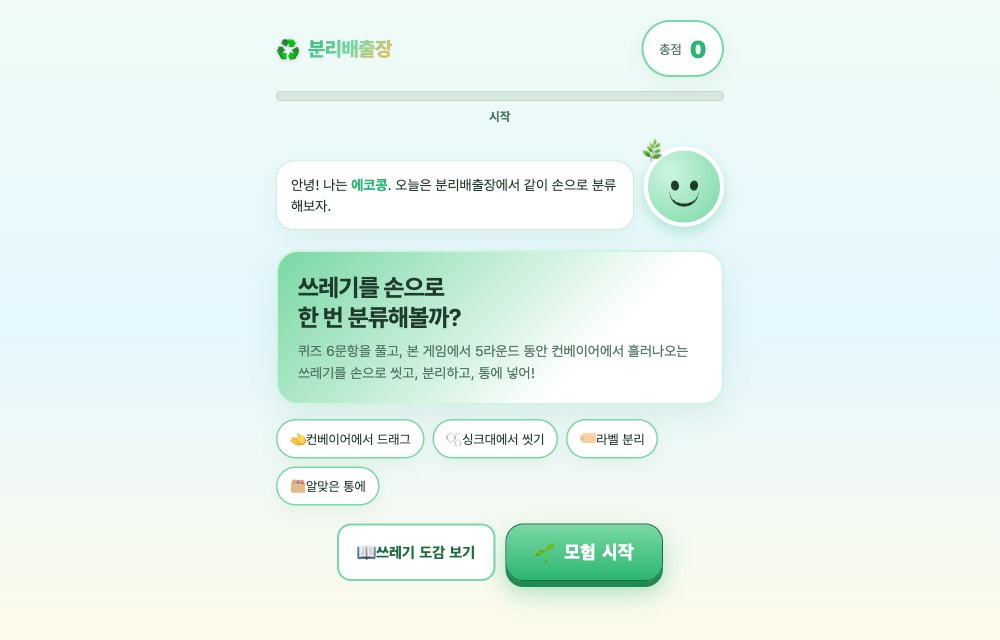
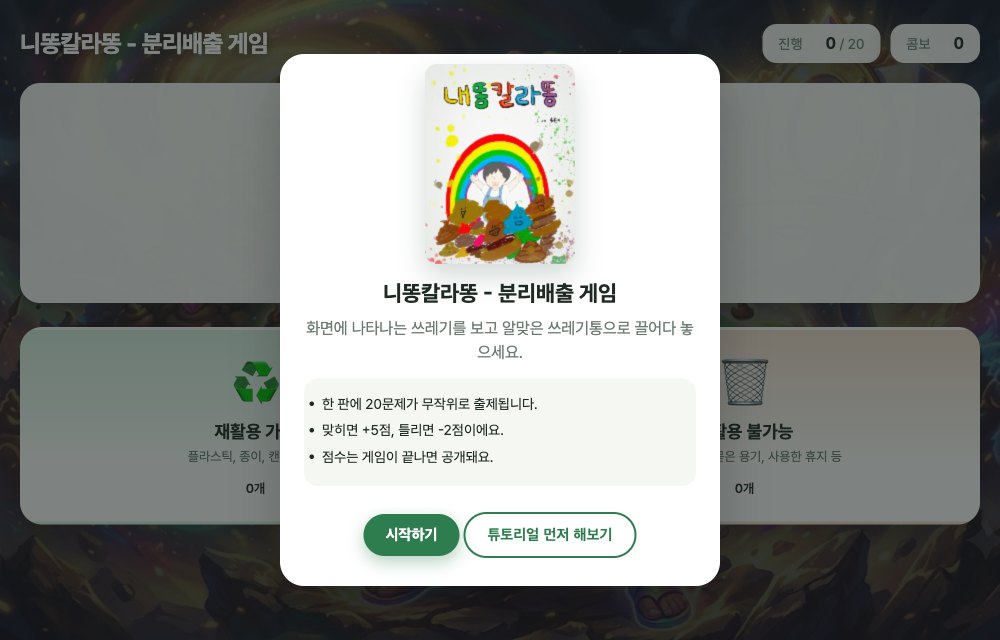
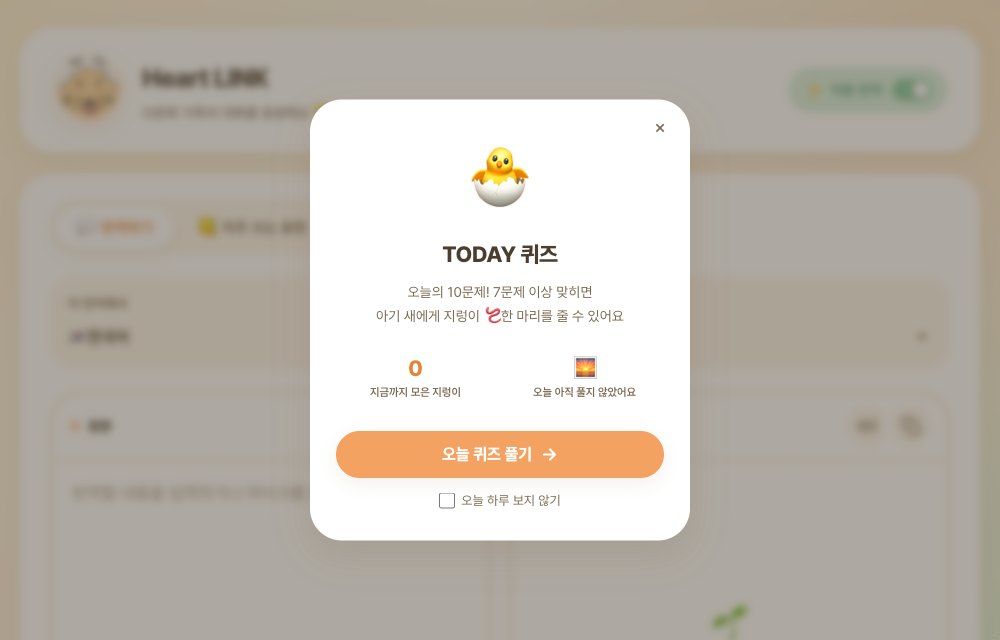
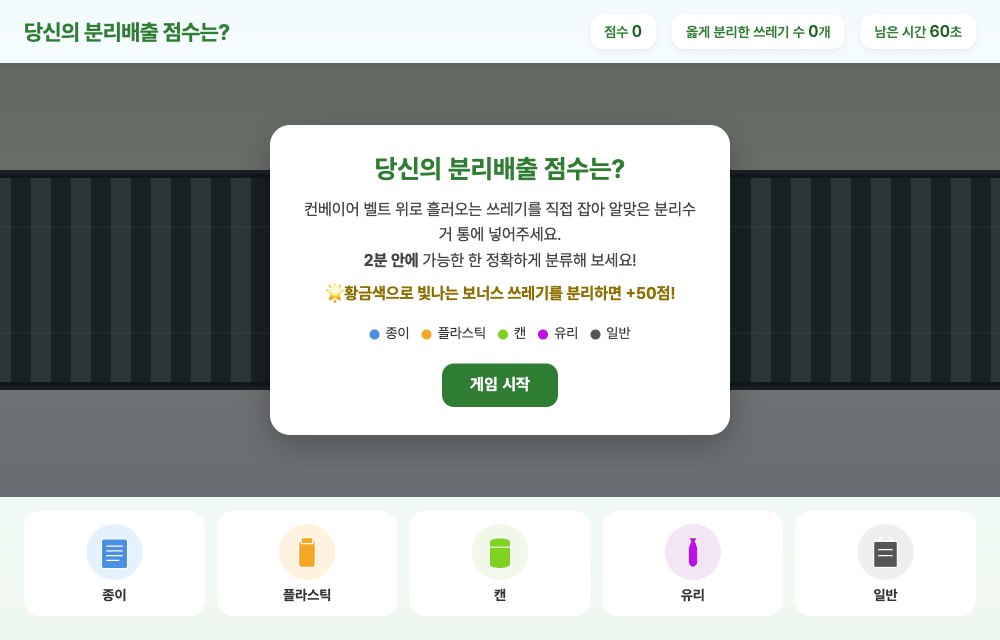
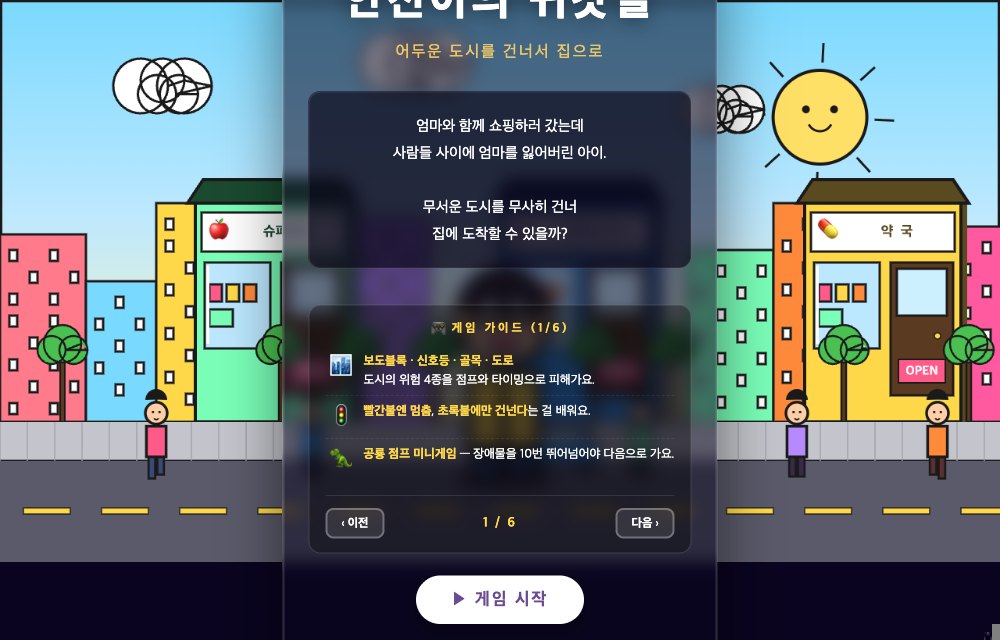
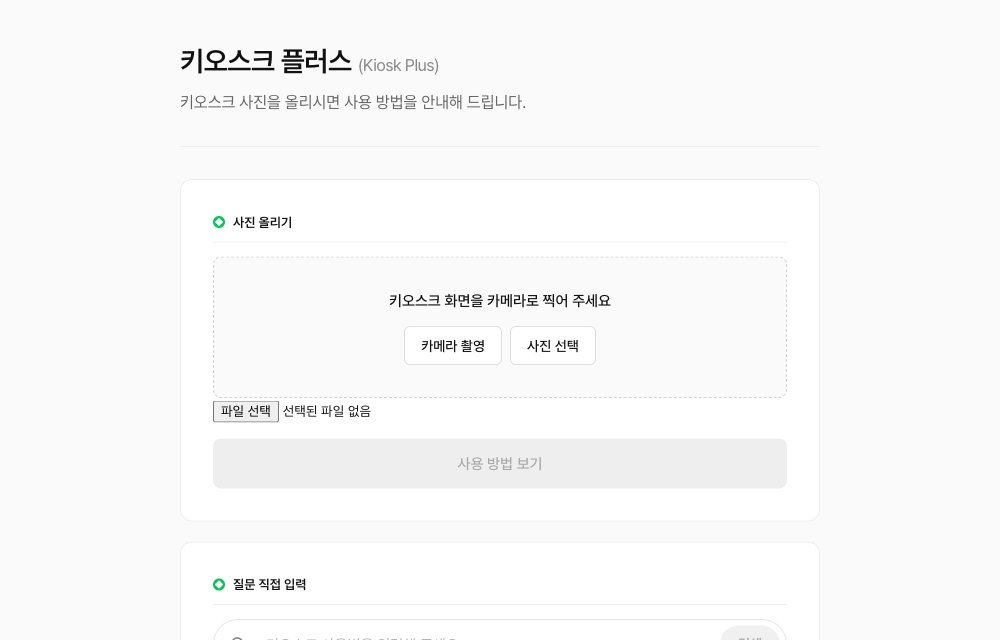
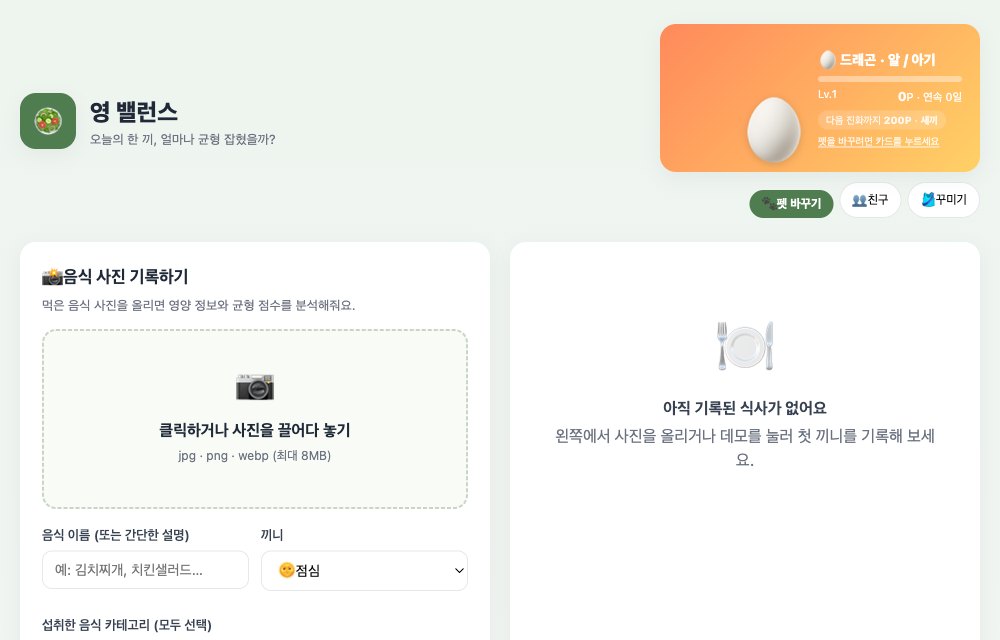
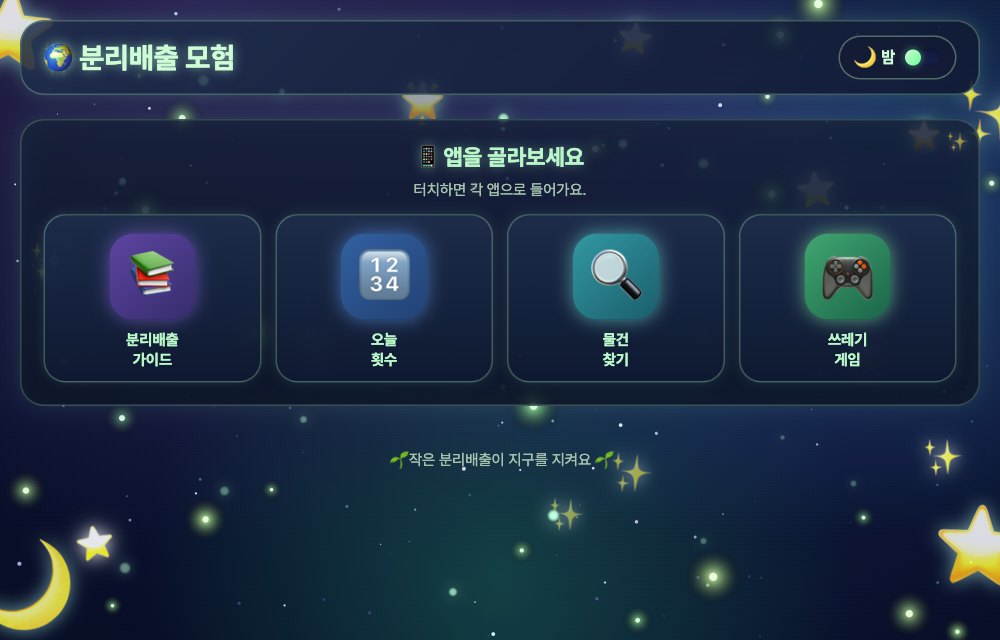
All 10 teams finished a working app. On the theme of social problems based on the UN SDGs, the apps covered environment, safety, health, and multicultural families, from recycling games and a safe-route guide to a translation and study helper, a kiosk guide, and a balanced-meal experience. The first-place app, SafeRoute, is connected to the Korean National Police Agency’s open data “Top 5 Crimes Statistics” API.

School
Gwangju Dongshin Girls’ Middle School
Date
Saturday, July 11, 2026, 10:00–17:00
Participants
30 students in grades 1–3, in 10 teams
Format
2-hour morning pre-training, 3-hour afternoon build, then presentations and awards
Topic
Solving social problems based on the UN SDGs
Run by
Bana (Team Monolith) on site
Schedule
Theme · Solving social problems through the UN SDGs

Learn in the morning, build in the afternoon.
Half a day is enough.

Even students seeing it for the first time took the morning session and started building right after lunch.
From 10am to 5pm on a Saturday, the day went like this.

10:00–12:00

Pre-training

AI literacy + vibe coding session

12:00–13:00

Lunch

A short break

13:00–16:00

Vibe coding

Turning team ideas into apps

16:00–17:00

Presentations & awards

Demos and judging

The theme of this hackathon
“Analyzing social problems through the UN SDGs and building software solutions”

They shrank the world’s big problems down to the size of their own neighbourhood.
That’s how they landed on the environment, safety, health, and multicultural families.

What the day built
SDGs problem solving · AI-assisted software and AI literacy · team collaboration
Student work

Ten projects, one at a time.

The projects scroll past below. Hover to pause, and click a card to see it in detail above.

1st
SafeRoute
3 students
분리배출장 · 에코 어드벤처
3 students
니똥칼라똥
3 students
Heart LINK
4 students
당신의 분리배출 점수는?
4 students
안전이의 귀갓길
3 students
키오스크 플러스
2 students
영 밸런스
3 students
얌얌특공대
3 students
분리배출 모험
2 students
A classroom scene with students working at laptops
Interview

After the event,
we sat down with two teachers.

The teacher who first proposed this hackathon, and the department head who approved the budget. Here are their stories.

IT and coding teacherProposed the hackathon
Lead-school programme headApproved the budget
QWhy a hackathon, of all things?
IT and coding teacherSo many AI pamphlets come to the school. A couple of them were about “vibe coding.” We happened to be running a weekly coding class, so I thought, if we’re going to do something like this, I’d like to do it with Team Monolith. I took it to the head who runs our lead-school programme.
QHonestly, did you have your doubts?
Lead-school programme head“Will this actually produce anything?” I went in with a question mark. But when I saw the ideas the students came up with, I thought, oh, it works in this direction too, and that’s possible as well. I’m really glad we did it.
“Before, we’d teach a tool and the kids would ask, ‘so what do I do with this?’
This time they watched their own idea take shape in front of them.”
Lead-school programme head
QWhat was different from your previous classes?
IT and coding teacherWe did Arduino with the gifted class, but my own background only goes so far, so when we got stuck it was frustrating. Once the kids start floundering they lose interest. This time, the company came along with us, so I could relax and just run the room.
QHow did you recruit students?
IT and coding teacherAt first it was 12 students, because “six hours feels like a lot.” Then the head said anyone who completed it would get priority for the vacation camp, and they came flooding in. That’s how it became thirty.
QWas the preparation hard on you?
IT and coding teacherThere was genuinely no legwork. I just handed over the roster. I asked, “what about the team assignments?” and they took care of that too.
“Success? It’s the look on the kids’ faces.
Even when it was hard, you end up thinking, I’m glad we did this.”
IT and coding teacher
With Bana
The school focuses only on the students,
and Bana prepares everything else.

All Gwangju Dongshin had to handle was a single list of student names.
Bana takes care of the rest: team assignments, running the day, technical support, and publishing the work.

Operations, handled

Send us the roster and we arrive with everything ready, from team assignments to the run-of-day script.

On-site technical support

The moment a student gets stuck, our staff work through it beside them. Teachers can just watch.

Work published automatically

When the event ends, every team's project goes straight into the gallery and students leave each other hearts (♥).

Pre- and post-surveys

We run the surveys too, so you can see in the data how much the students changed.

The classroom that day

Learn, build, and present, all in one day

We kept the tool explanation short.
Most of the day went to the students actually building.

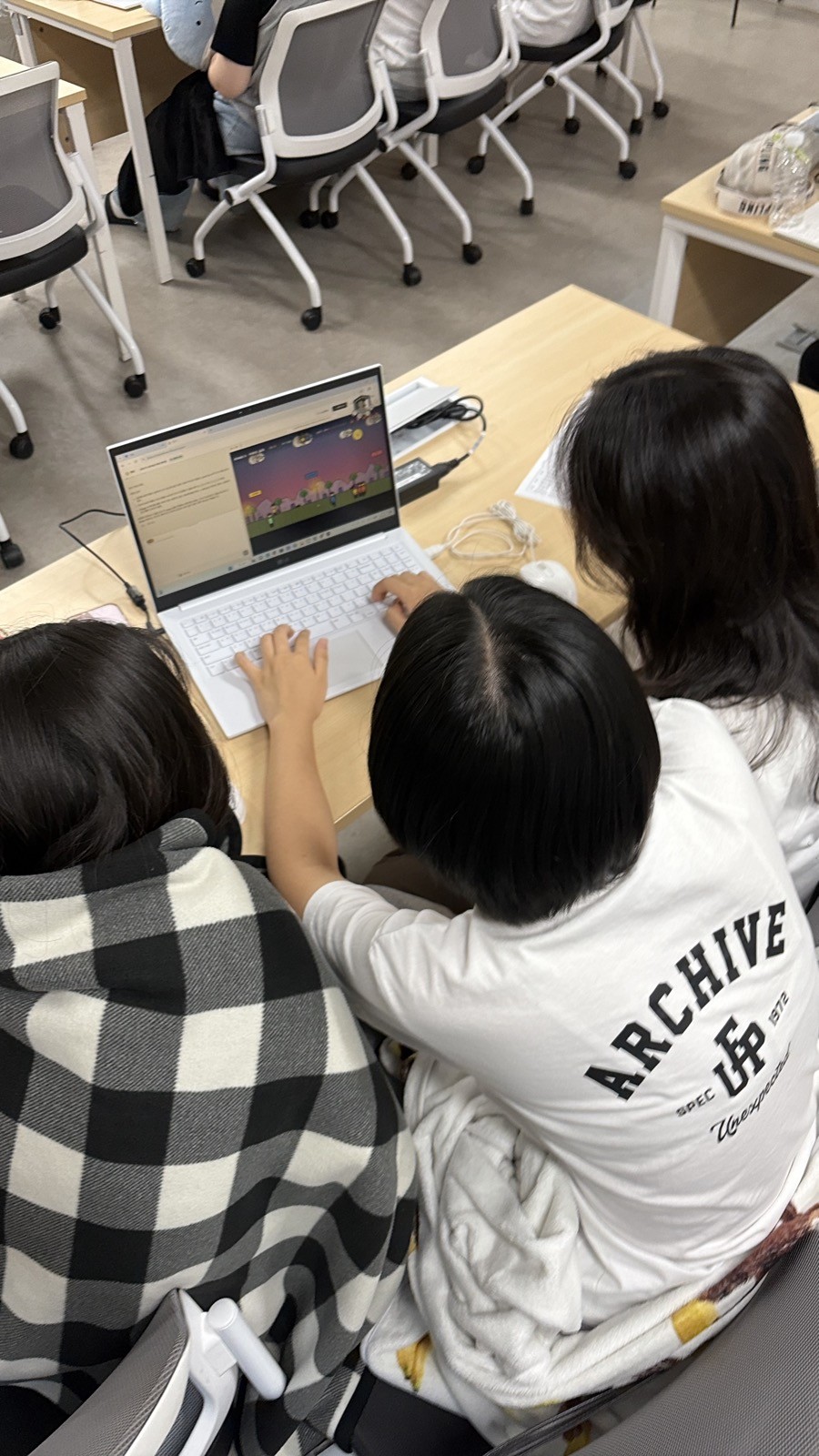
Two students building a game app together on a laptopBuilding together
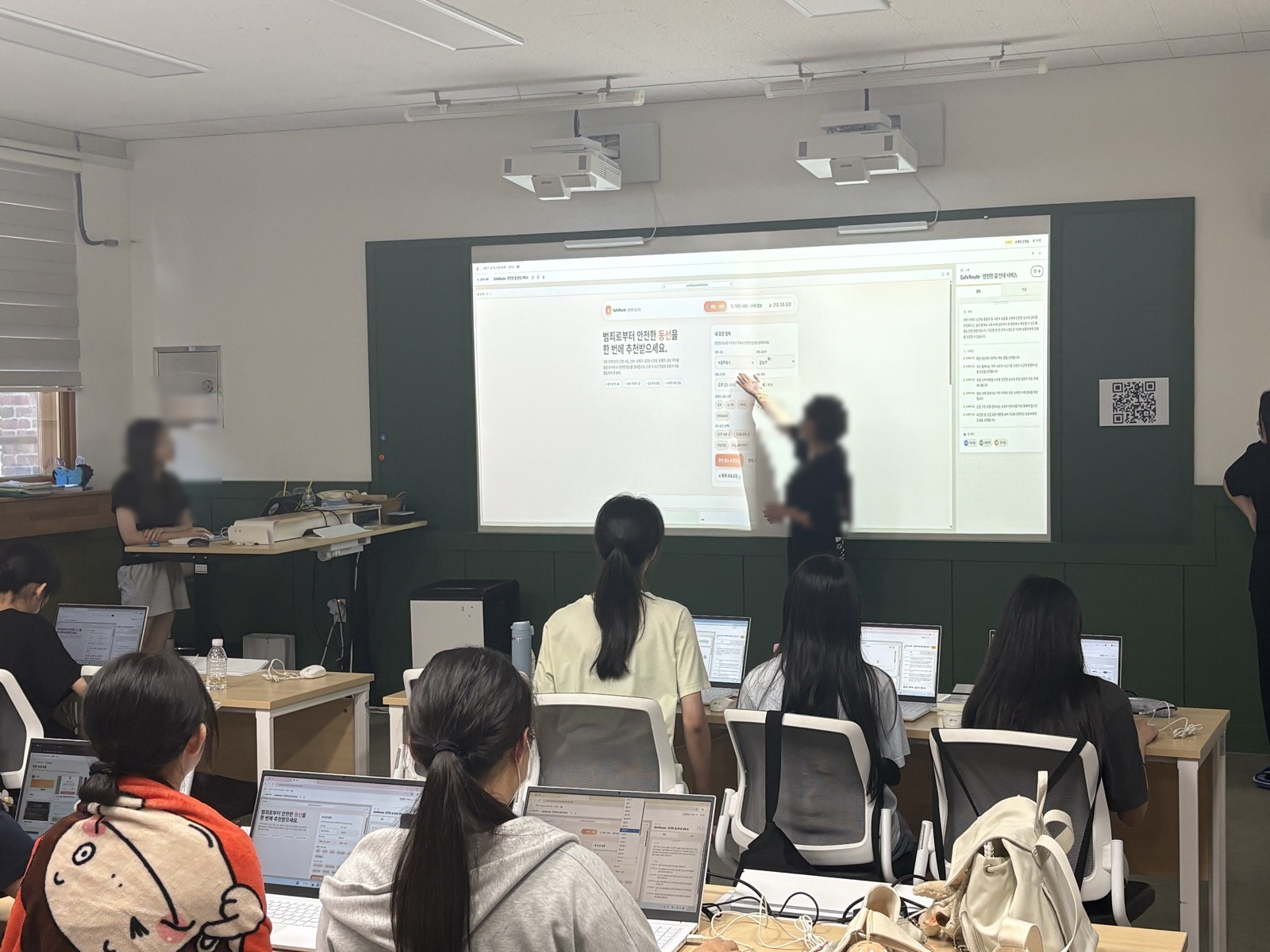
An instructor presenting at the front of the classroom while students sit at their laptopsMorning session
A student building an app on a laptopDeep in the build
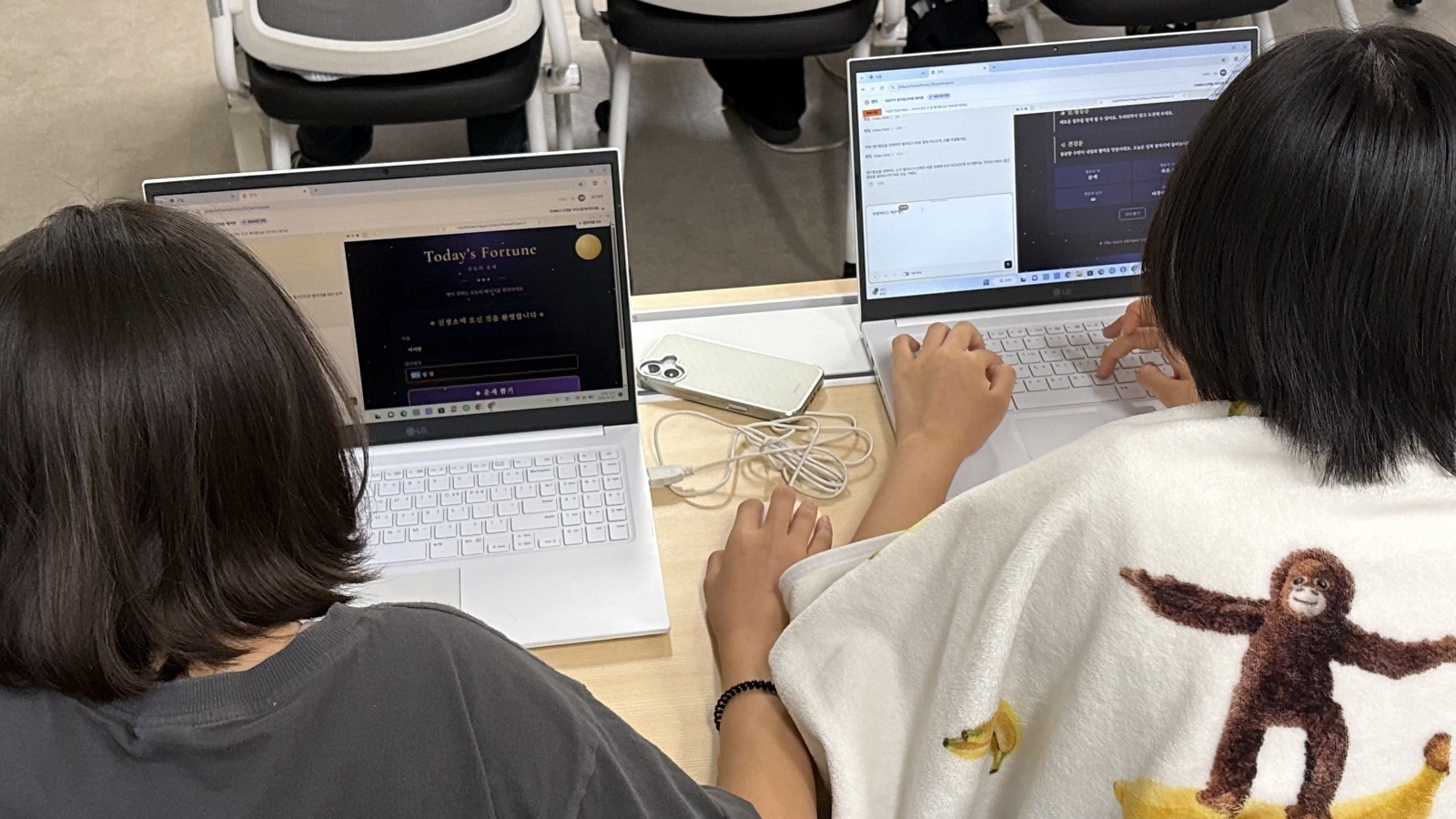
Two students working together at a laptop screenTeam collaboration
A student presenting their project on screenPresentation time
FAQ

Frequently asked questions about this case

How did the Gwangju Dongshin Middle School AI hackathon run?
On Saturday, July 11, 2026, from 10 AM to 12 PM, students had pre-training on AI literacy and vibe coding. After lunch, from 1 to 4 PM, teams built their apps. The day closed from 4 to 5 PM with demos, judging, and awards.
Can students who are new to vibe coding take part?
At this event, students new to vibe coding attended the morning lecture and started building right away in the afternoon. Because you describe the app you want to the AI, you can start without any coding experience.
What kinds of apps did the students build?
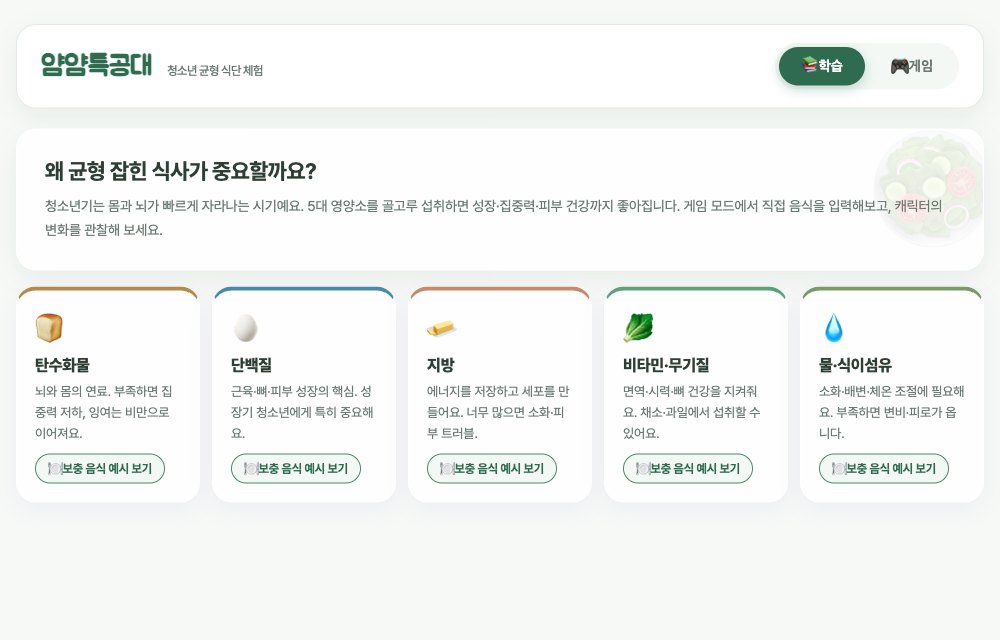
10 apps were built on the theme of social problems based on the UN SDGs. They include SafeRoute, a safety guide connected to Korean police open data, recycling games, Heart LINK, a translation and study helper for multicultural families, Kiosk Plus, and Young Balance, a balanced-meal log. You can browse them in the works list on this page.
What does a school need to prepare?
A single list of student names. Bana handled everything from team assignments to running the day, technical support, and publishing the work. To hold a hackathon at your school, contact us through the form at the bottom of this page.
Contact us

Open the next hackathon
at your organization. We'll bring the rest.

From schools and districts to corporate training and workforce programs, tell us the size and the dates and we'll build the rest around them.
Leave a message and we'll reply within one business day.

What you send is used only to follow up on your inquiry.
Curious how others did it? Browse more case studies